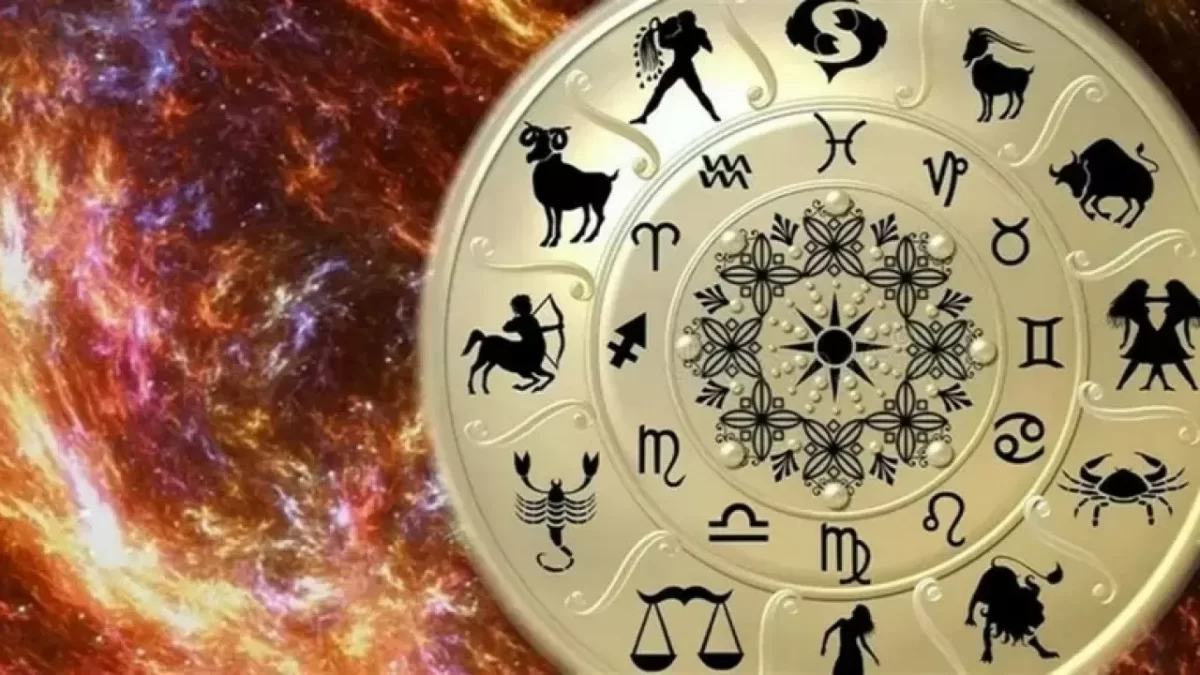
What is your astrology profile? In practical terms, your astrology profile is a summary of the main placements in your birth chart. Most people know only their Sun sign, but that is just one part of the picture. A fuller profile usually includes your Moon sign, Rising sign, personal planets, houses, and major aspects. Together, these parts are used to describe patterns in personality, emotions, communication, relationships, and personal habits.
Many people run into the same problem: they read a short horoscope for their zodiac sign and feel that it is too broad, too simple, or not very personal. That usually happens because a real astrology profile is not based on one sign alone. It is based on the exact time, date, and place of birth. Without that, the result stays general and often misses the details people actually care about.
Interest in astrology remains strong. Large survey data shows that a notable share of adults still consult astrology-related content, often for self-reflection, entertainment, or guidance during uncertain periods. This helps explain why so many people search for a more complete answer than “I am a Leo” or “I am a Virgo.” They want to know what their full chart says and how the parts work together.
What an astrology profile usually includes
A standard astrology profile is built from several layers. Each one adds more detail.
- Sun sign — your core identity, ego, motivation, and general style
- Moon sign — your emotional responses, inner needs, comfort zone, and instinctive reactions
- Rising sign or Ascendant — first impression, outward style, behavior in new situations
- Mercury — thinking, learning, communication, decision patterns
- Venus — affection, attraction, values, pleasure, relationship style
- Mars — drive, energy, action, anger, ambition
- Jupiter — growth, beliefs, optimism, opportunity
- Saturn — discipline, pressure, limits, long-term lessons
- Houses — life areas such as work, home, money, love, friendships, career
- Aspects — the angles between planets that show tension, ease, or strong focus
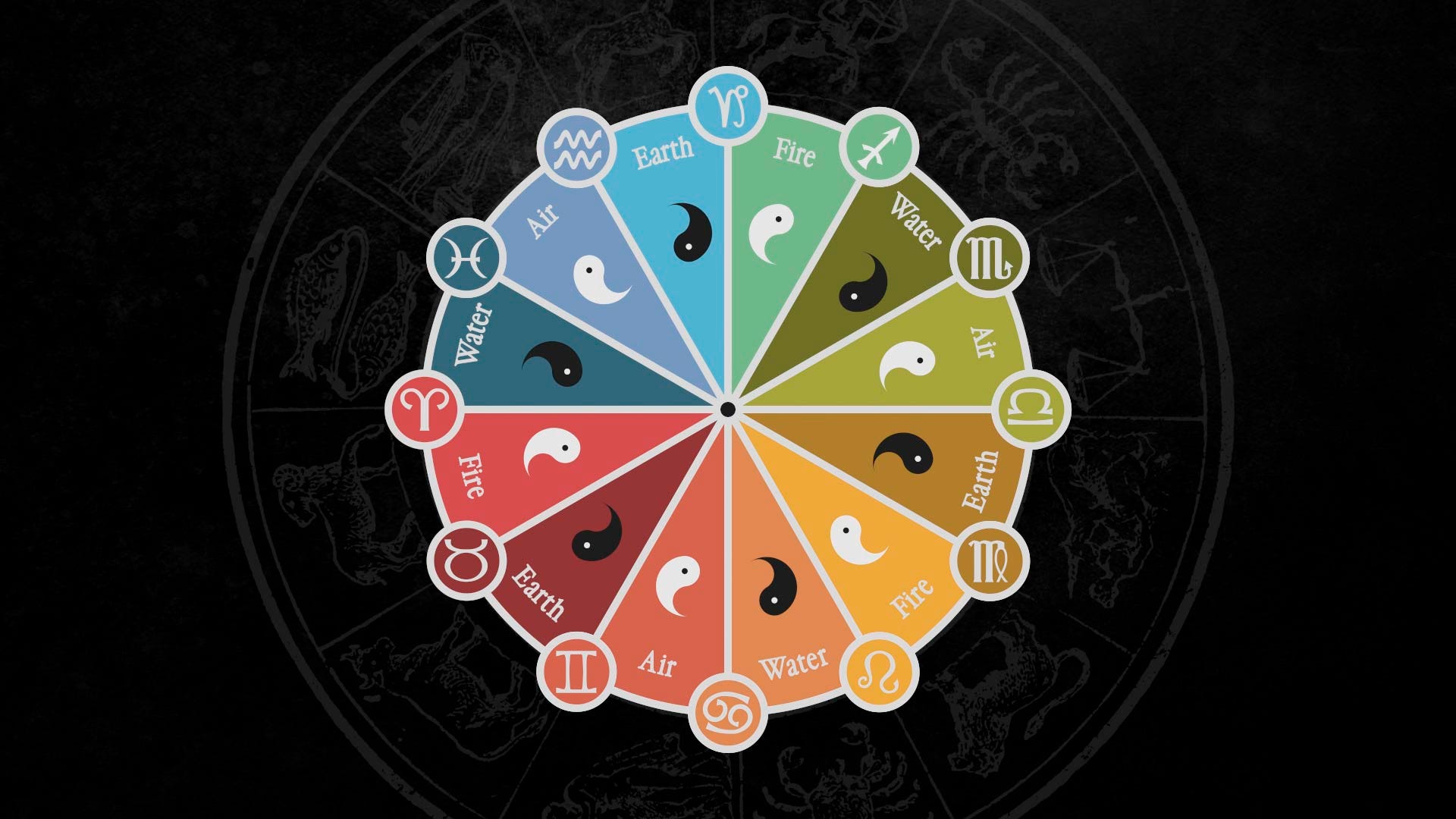
When people say, “My horoscope does not sound like me,” the issue is often that they are looking at one placement instead of the whole chart. A person with a fiery Sun sign may still appear calm and private if they have a water Moon sign and an earth Rising sign.
Why your Sun sign is not the whole story
The Sun sign is the most widely known part of astrology because it is easy to calculate from your birth date alone. It is useful, but it does not tell the full story. In most chart readings, the Sun is only the starting point.
Think of it this way:
- Your Sun sign shows the central part of your identity.
- Your Moon sign shows how you feel and what you need emotionally.
- Your Rising sign shows how you move through the world and how others first see you.
That is why two people with the same Sun sign can behave very differently. One may be social and expressive, another quiet and guarded. Their other placements change the tone.
This is one of the most common frustrations for beginners. They expect one label to explain everything, then feel disappointed when it does not. A more complete astrology profile solves that problem by adding context.
The “big three” in astrology
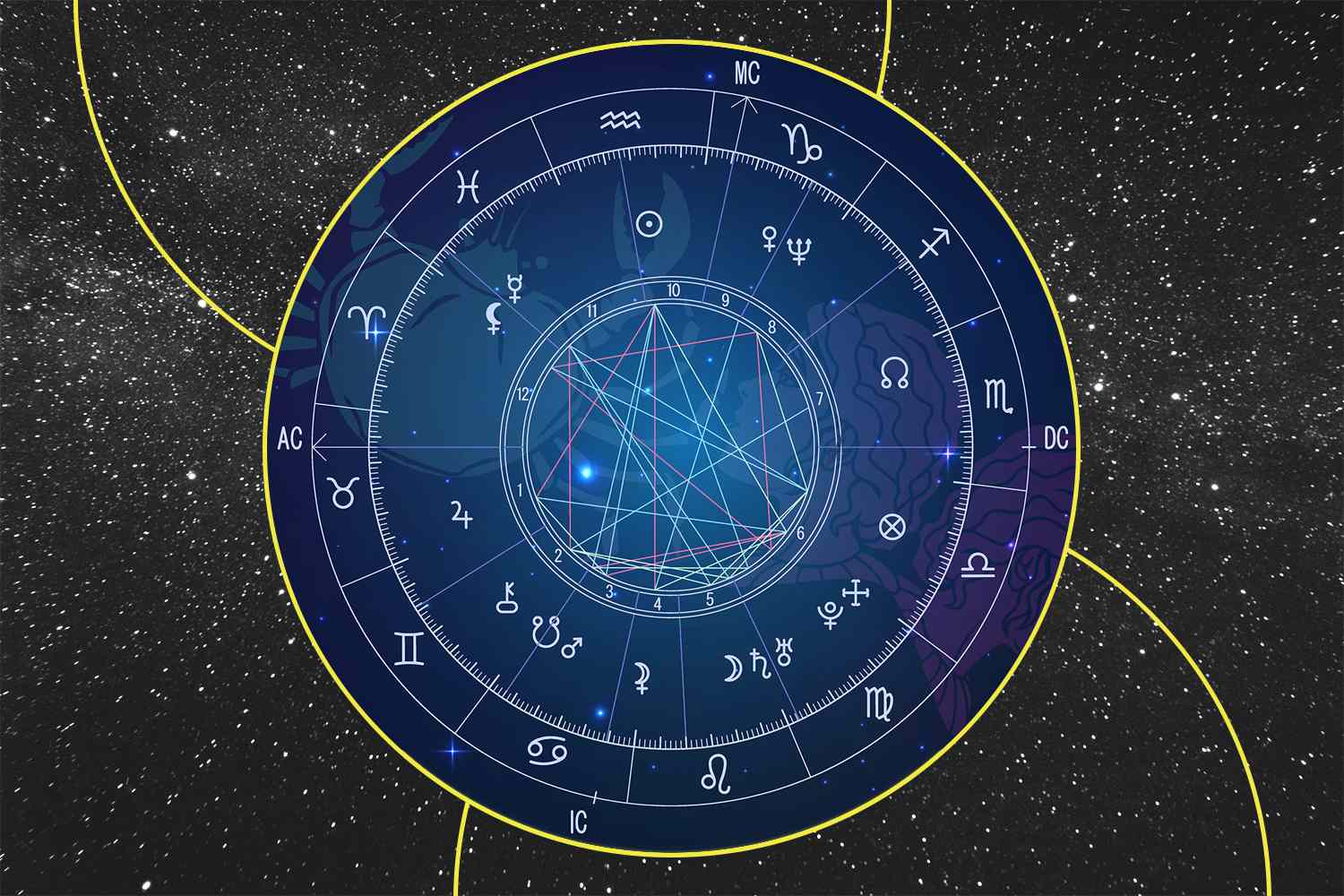
Astrologers often begin with the big three: the Sun, Moon, and Rising sign. These three placements form the basic frame of a personal chart.
Sun sign
This placement is linked with identity, purpose, confidence, and the traits you are developing over time. It is the part of the chart most people already know.
Moon sign
This placement is linked with feelings, mood, private habits, and emotional safety. It often explains why people react strongly to stress, withdraw during conflict, or need reassurance in close relationships.
Rising sign
This placement is based on the zodiac sign rising on the eastern horizon at the time of birth. It changes more quickly than the Sun sign, so the exact birth time matters. The Rising sign often shapes appearance, social style, and the way someone starts new experiences.
If you want a quick summary of your astrology profile, the big three are the best place to start.
How planets shape your astrology profile
After the big three, the personal planets add more detail and help explain everyday behavior.
Mercury often answers questions such as:
- How do you process information?
- Are you direct, careful, fast, or reflective in communication?
- Do you prefer facts, feelings, or broad ideas?
Venus often answers questions such as:
- What do you value in love and friendship?
- How do you express affection?
- Do you want stability, passion, attention, space, or emotional depth?
Mars often answers questions such as:
- How do you take action?
- What pushes you to compete, protect, lead, or withdraw?
- How do you handle anger and frustration?
These placements help people understand recurring problems in real life. For example, someone may wonder why they overthink texts, lose interest quickly in dating, avoid conflict, or work intensely for a week and then burn out. In chart-based astrology, these patterns are often linked to combinations involving Mercury, Venus, Mars, and major aspects.
What the houses mean in a birth chart
The zodiac signs describe style, but the houses describe life areas. This is where many chart readings become more personal.
Common house themes include:
- 1st house — identity, body, self-image, personal approach
- 2nd house — money, income, possessions, self-worth
- 3rd house — communication, learning, siblings, local environment
- 4th house — home, family, roots, private life
- 5th house — creativity, fun, romance, self-expression
- 6th house — work routines, health habits, service, daily structure
- 7th house — partnership, commitment, one-to-one relationships
- 8th house — shared resources, trust, deep change, intimacy
- 9th house — travel, philosophy, higher learning, beliefs
- 10th house — career, reputation, public image
- 11th house — friendships, groups, future goals
- 12th house — rest, isolation, subconscious patterns, inner life
If your chart shows a strong 10th house, you may focus heavily on career and recognition. If several planets fall in the 4th house, family and home life may carry more weight. This house system helps explain why two people with similar signs may prioritize very different parts of life.
What aspects reveal about your chart
Aspects describe the angular relationships between planets. In astrology, these are used to show where energy flows easily and where there is friction.
The most discussed major aspects are:
- Conjunction — strong fusion of energy
- Sextile — supportive connection, opportunity
- Square — tension, pressure, inner conflict, growth through effort
- Trine — ease, natural talent, smoother expression
- Opposition — polarity, balance, push-pull dynamics
Aspects are useful because they explain contradiction. A person may look confident but feel insecure. They may crave closeness but fear dependence. They may be highly capable but struggle with consistency. In a chart reading, these mixed patterns are often traced through aspects rather than signs alone.
How to find your astrology profile
To calculate a full astrology profile, you usually need three details:
- Date of birth
- Exact time of birth
- Place of birth
The time of birth matters because the Rising sign and house placements shift throughout the day. Even a difference of one or two hours can change key parts of the chart.
If you do not know your birth time, you can still identify your Sun sign and often your Moon sign, but the profile will be less precise. This is another common problem for people exploring astrology. They want a full reading, but an unknown birth time limits accuracy in chart construction.
What your astrology profile can help you understand
Many people use astrology as a framework for self-reflection. Whether someone treats it as a spiritual practice, a symbolic language, or a form of personal insight, the same topics tend to come up.
A fuller astrology profile may be used to explore:
- Personality patterns
- Emotional needs
- Relationship habits
- Communication style
- Work motivation
- Stress triggers
- Decision-making patterns
- Strengths and weak spots
For example, someone dealing with repeated relationship problems may look at Venus, the 7th house, and major aspects. Someone stuck in career confusion may focus on the 10th house, Saturn, and Jupiter. Someone facing emotional burnout may pay closer attention to the Moon, the 6th house, and stress-related patterns in the chart.
What astrology can and cannot do
It is important to stay realistic. Astrology is widely used as a tool for reflection and meaning, but it is not a scientific test, a medical method, or a guaranteed predictor of outcomes. A healthy approach is to treat an astrology profile as one lens for understanding patterns, not as a fixed sentence about your life.
That matters because some people become anxious after reading difficult chart interpretations. They may worry about love, money, health, or the future after seeing dramatic language online. A more responsible reading avoids fear-based claims and focuses on tendencies, choices, and context.
Useful astrology content should help people think more clearly, not feel trapped.
Why so many people search for their astrology profile
People usually start searching for their astrology profile during periods of uncertainty. Common triggers include:
- Breakups or dating confusion
- Career stress or job changes
- Identity questions
- Emotional ups and downs
- Burnout and life transitions
- Curiosity about compatibility and timing
Short-form horoscope content is easy to consume, but it rarely answers deeper questions. A full astrology profile feels more useful because it offers a layered explanation instead of a single label. That is one reason astrology content stays highly visible in search, media, apps, and social platforms.
How to read your astrology profile in a practical way
If you want your profile to be useful, read it with structure. Do not jump straight into dramatic interpretations. Start with the basics and build from there.
- Learn your Sun sign, Moon sign, and Rising sign.
- Check Mercury, Venus, and Mars for daily behavior patterns.
- Look at house emphasis to see where life energy is concentrated.
- Review major aspects to understand tension and ease.
- Compare chart themes with real habits, choices, and life experience.
This helps avoid a common mistake: reading isolated chart phrases without context. Context matters more than single keywords.
Final answer: what is your astrology profile?
Your astrology profile is the overall pattern of your birth chart. It includes your Sun sign, Moon sign, Rising sign, planetary placements, houses, and aspects. Together, these placements are used to describe your style of thinking, feeling, relating, acting, and moving through life.
If you know only your zodiac sign, you know one piece. If you know your full chart, you have a much more detailed profile. That fuller view is what most people are looking for when they ask, “What is your astrology profile?”

I am an author and content editor for informational websites, writing about media, social trends, and everyday topics that people search for online. I hold a Bachelor’s degree in Communications from the University of Michigan, where I studied media studies and digital journalism.



Leave a Reply