What is astrology and how does it work is a question many people ask when they start noticing patterns, personality descriptions, or predictions linked to their birth date. Astrology is not just about daily horoscopes. It is a structured system that studies the positions of celestial bodies and how they may relate to human behavior, events, and life cycles.
What is astrology
Astrology is a system that analyzes the positions of the Sun, Moon, and planets at a specific moment, most often the time of birth. This information is used to create a birth chart, also called a natal chart.
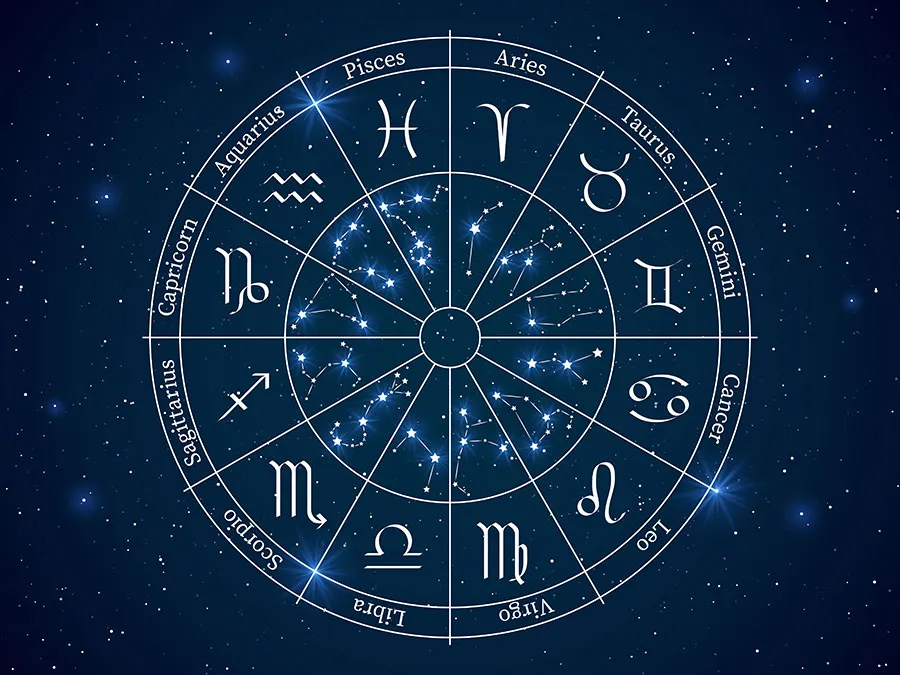
The chart is a map of the sky divided into 12 sections called houses, each representing a different area of life such as relationships, career, and health.
- Sun sign – core identity and ego
- Moon sign – emotions and inner world
- Rising sign – outward personality and first impression
Many people only know their Sun sign, but this is one of the biggest problems because it gives only a small part of the full picture.
How astrology works
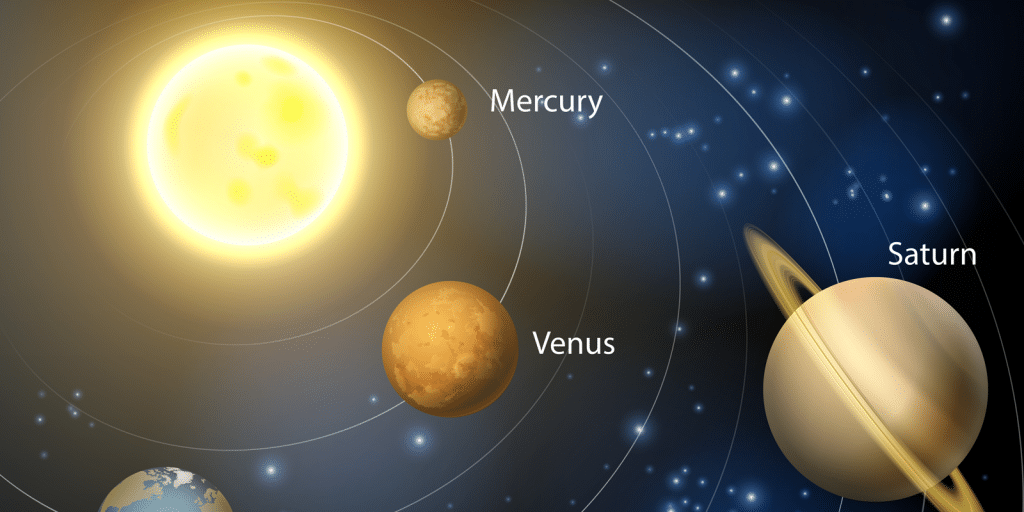
Astrology works by analyzing relationships between celestial bodies, known as aspects. These aspects are angles between planets that influence how energies interact.
There are several key components:
- Planets – represent functions (thinking, emotions, action)
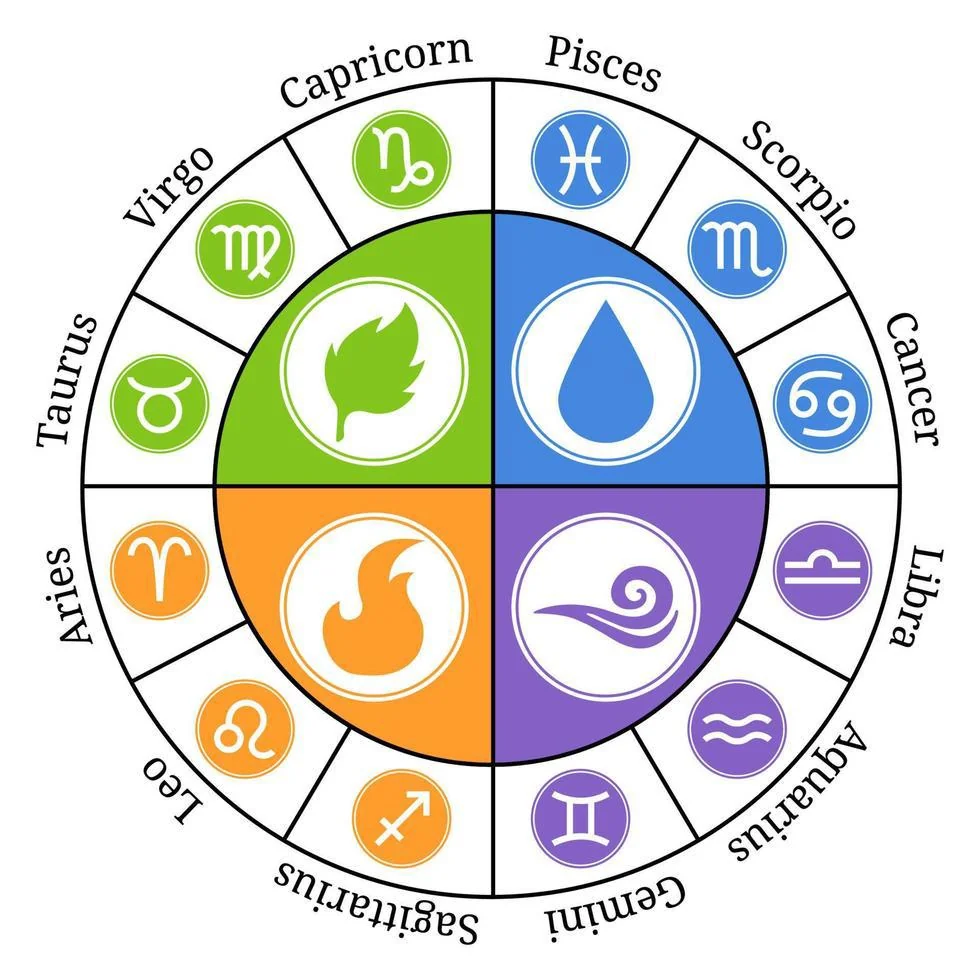
- Signs – describe how these functions are expressed
- Houses – show where these influences appear in life
- Aspects – explain how different energies interact
For example, a strong Mars placement can indicate drive and action, while difficult aspects to Saturn may create challenges like delays or self-doubt.
Scientific and statistical perspective
Astrology is not classified as a science in the academic sense. However, it remains widely used across the world.
- According to surveys, around 30–40% of adults in Western countries believe astrology has some value
- Search interest in astrology-related topics has grown by over 50% in recent years
- Millions of users actively use astrology apps for daily guidance
This popularity shows that people find practical meaning in astrology, especially when dealing with uncertainty, relationships, and life decisions.
Why people use astrology
People turn to astrology for different reasons. It often helps when facing personal confusion or emotional stress.
- Understanding personality traits
- Improving relationships
- Making decisions during uncertain periods
- Finding patterns in life events
One of the most common problems people face is feeling lost or unsure about their direction. Astrology offers a framework that helps organize thoughts and feelings.
Common misconceptions
There are several misunderstandings about astrology that limit its usefulness:
- “Astrology predicts the future exactly” – it shows tendencies, not fixed outcomes
- “Only Sun sign matters” – a full chart is required for accuracy
- “It is random” – astrology follows structured rules developed over centuries
These misconceptions create confusion and lead to disappointment when expectations are unrealistic.
Is astrology accurate
Accuracy depends on how astrology is used. General horoscopes are broad and apply to many people, while personal birth charts are more specific.
Astrology works best as a tool for self-reflection rather than strict prediction. It highlights tendencies, strengths, and possible risks, allowing a person to make informed choices.
Conclusion
Astrology is a system that connects celestial patterns with human experience. It is widely used because it helps people understand themselves, navigate uncertainty, and recognize patterns in life.
While it is not a science, it remains a powerful psychological and symbolic tool when used correctly. The key is to approach it with realistic expectations and focus on self-awareness rather than fixed predictions.

I am an author and content editor for informational websites, writing about media, social trends, and everyday topics that people search for online. I hold a Bachelor’s degree in Communications from the University of Michigan, where I studied media studies and digital journalism.


Leave a Reply