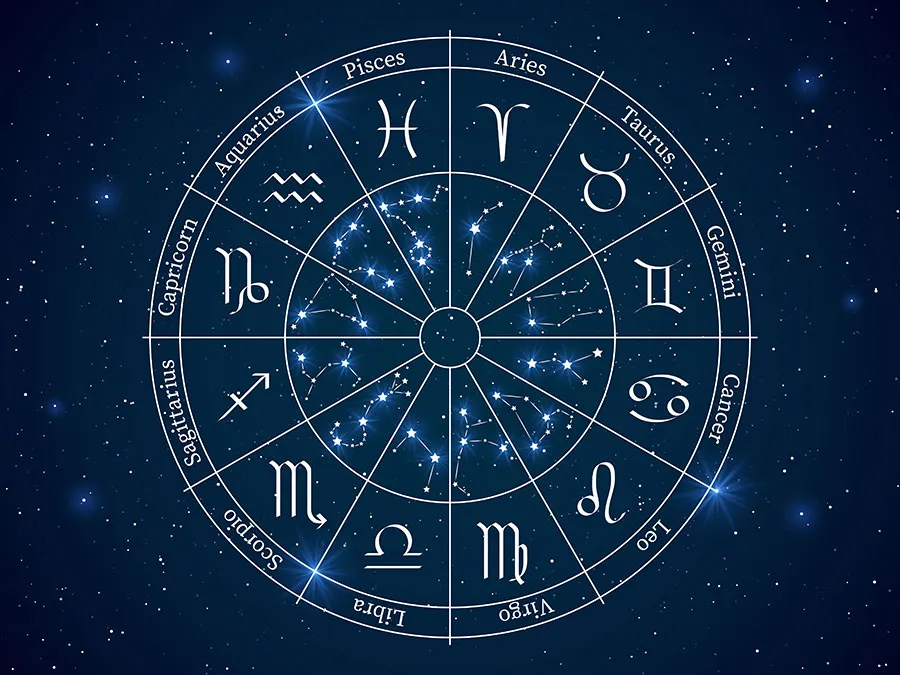
Astrology is a system of interpreting the positions and movements of celestial bodies to understand human behavior, personality traits, and life patterns. It has been practiced for thousands of years across different cultures, from ancient Mesopotamia to modern digital platforms.
Today, millions of people turn to astrology to make sense of daily decisions, relationships, and long-term goals. According to global surveys, over 30–40% of adults read horoscopes regularly, while interest in birth charts and personalized astrology continues to grow.
What is astrology in simple terms
At its core, astrology connects the position of planets and stars at the time of a person’s birth with their psychological profile and life tendencies.
The most common form is the birth chart (natal chart), which is based on:
- Date of birth
- Exact time of birth
- Place of birth
This chart shows where planets like the Sun, Moon, and others were located in the sky. These positions are interpreted to understand personality, emotional patterns, and potential life paths.
Main components of astrology
To understand astrology better, it helps to break it into key elements:
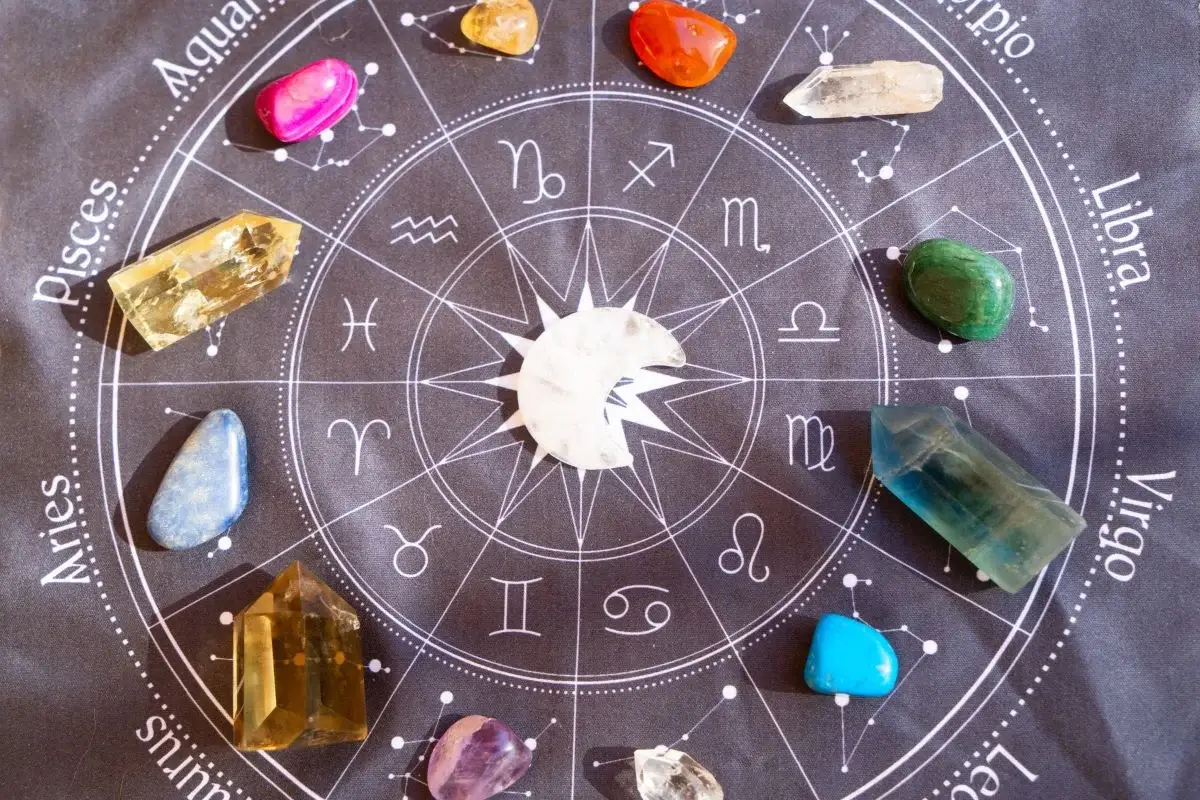
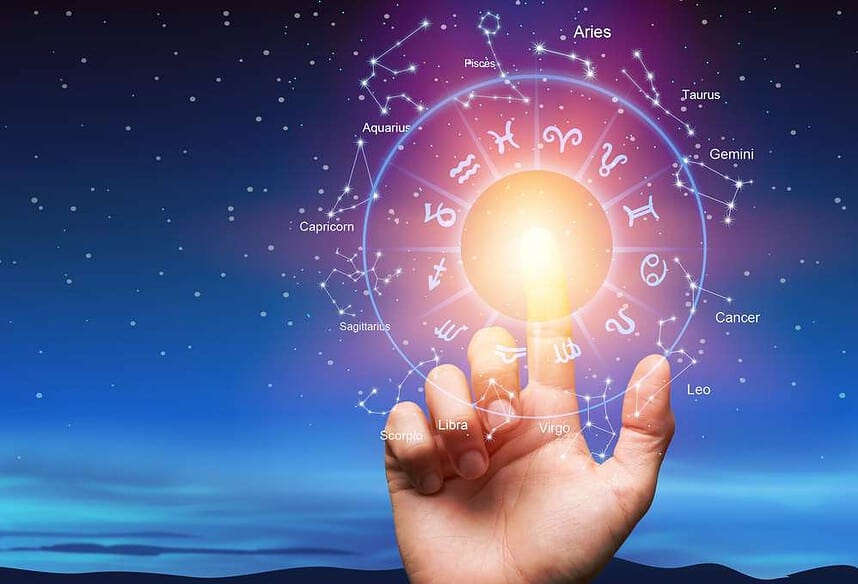
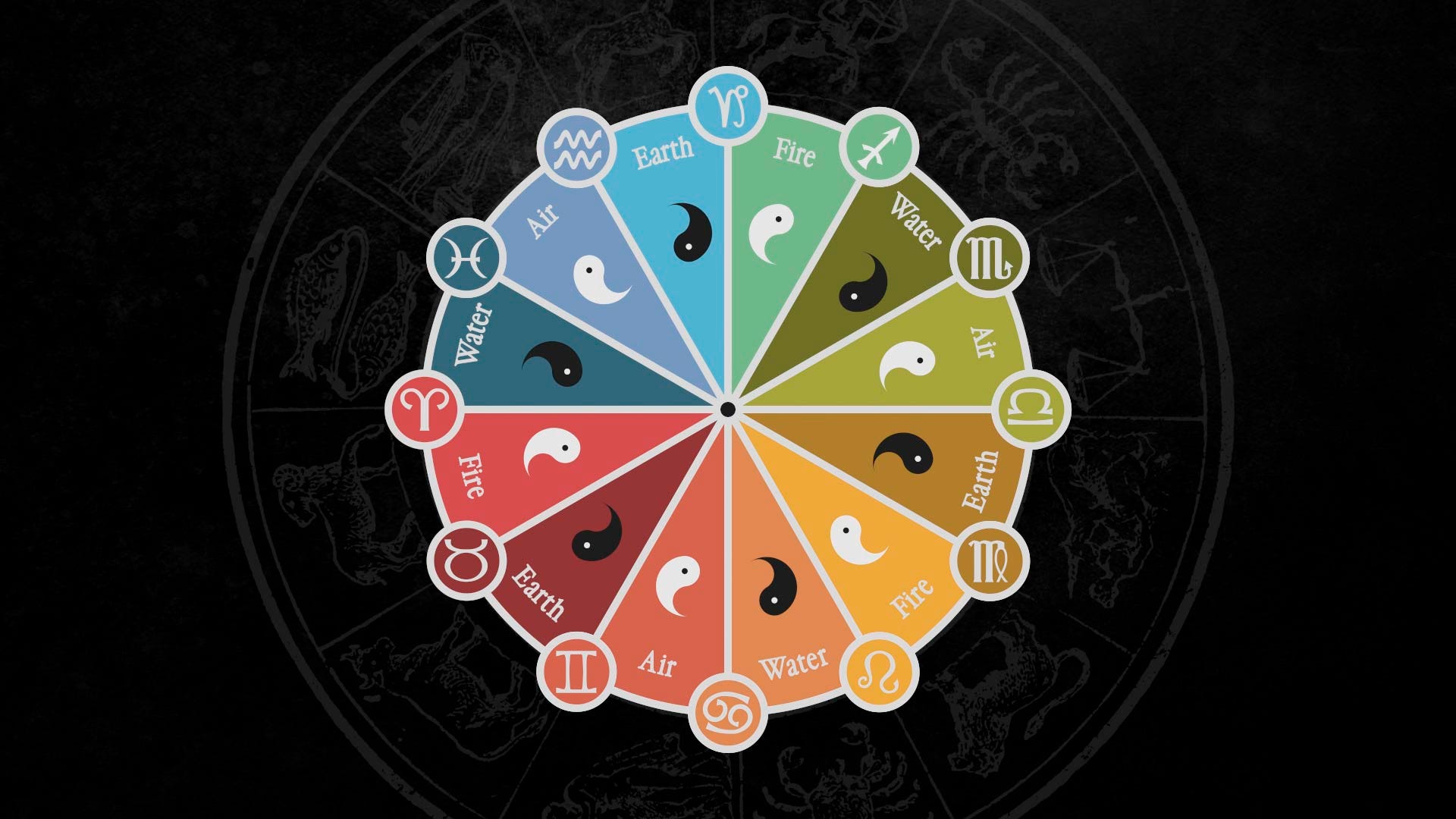
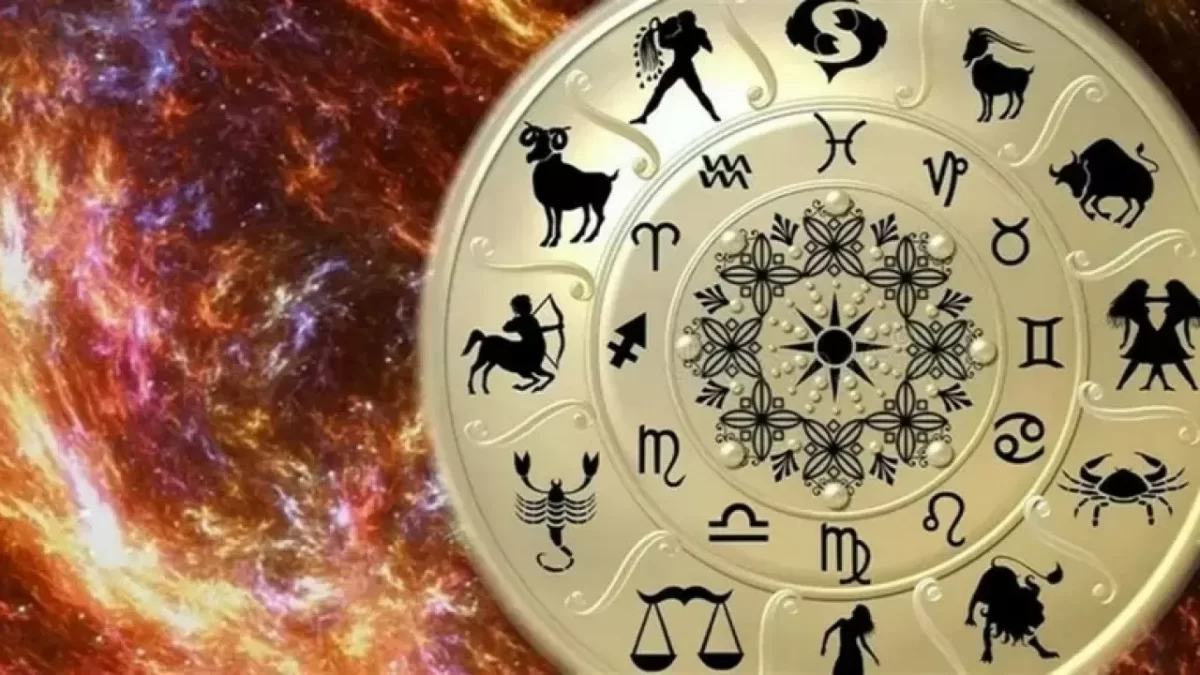
- Zodiac signs – 12 signs such as Aries, Taurus, Gemini. Each represents specific personality traits.
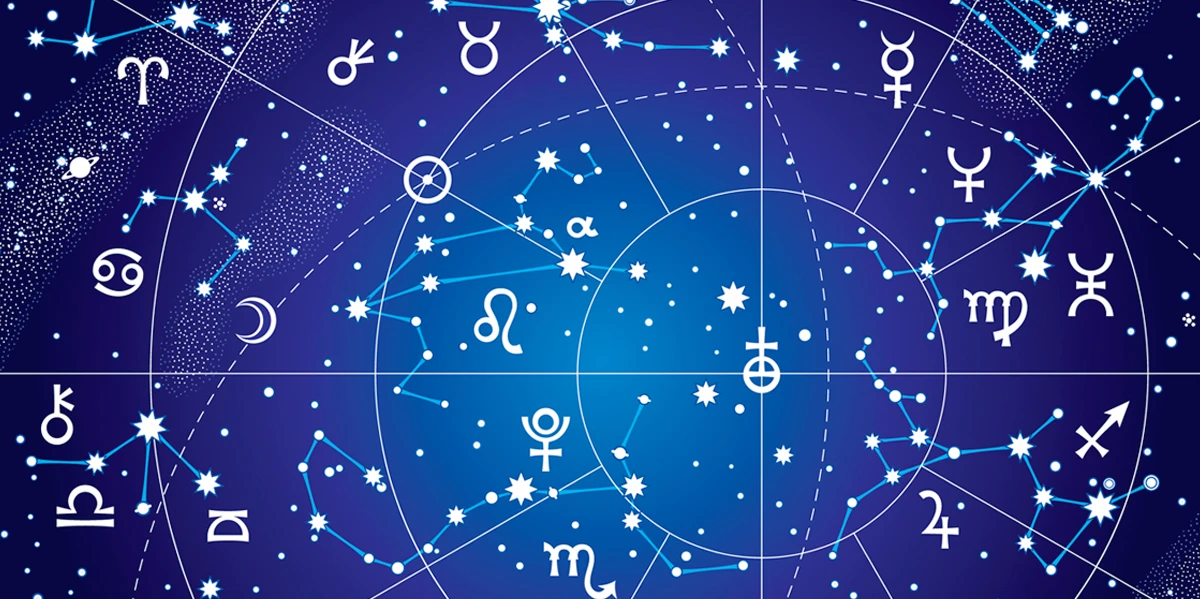
- Planets – symbolize different aspects of life (e.g., Venus for love, Mars for action).
- Houses – areas of life like career, relationships, health.
- Aspects – angles between planets that show interactions and influences.
These components work together to form a complete picture of a person’s tendencies and experiences.
Why astrology matters to people
Many people turn to astrology not because they blindly believe it, but because it helps them deal with real-life challenges.
Common reasons include:
- Uncertainty about the future
- Relationship problems and compatibility questions
- Career confusion and lack of direction
- Stress and anxiety in daily life
- Need for self-understanding
Astrology provides a structured way to reflect on these issues. It gives people language and frameworks to describe what they feel but cannot explain.
Is astrology scientifically proven
Astrology is not considered a science by modern scientific standards. Studies show no consistent evidence that planetary positions directly influence human behavior.
However, its value lies in psychology and perception:
- It encourages self-reflection
- It helps identify behavior patterns
- It supports decision-making in uncertain situations
This is similar to how people use personality tests or coaching tools.
How astrology is used in modern life
Astrology has evolved far beyond newspaper horoscopes. Today it is used in more practical ways:
- Personal development and self-analysis
- Relationship compatibility (synastry charts)
- Career planning and timing decisions
- Emotional awareness and mental balance
With the rise of apps and AI tools, personalized astrology reports have become widely accessible, increasing its popularity among younger audiences.
Common misconceptions about astrology
Many people misunderstand astrology due to oversimplified content online.
Key myths:
- “Only your zodiac sign matters” – in reality, a full chart is needed
- “Astrology predicts exact events” – it shows tendencies, not fixed outcomes
- “It’s only for entertainment” – many use it as a reflection tool
These misconceptions often lead to skepticism or unrealistic expectations.
Why astrology remains popular
Despite criticism, astrology continues to grow in relevance. The reason is simple: people are constantly searching for meaning.
Astrology offers:
- A sense of control in unpredictable situations
- A framework for understanding personal struggles
- A way to explore identity without rigid labels
In a fast-changing world, tools that help people understand themselves remain valuable.
Final thoughts
Astrology is not about blindly following predictions. It is a tool that helps people reflect, organize their thoughts, and better understand their behavior.
Its importance lies not in proving cosmic influence, but in how it helps individuals deal with uncertainty, emotions, and life decisions.
When used thoughtfully, astrology can become a practical guide for self-awareness rather than a rigid belief system.

I am an author and content editor for informational websites, writing about media, social trends, and everyday topics that people search for online. I hold a Bachelor’s degree in Communications from the University of Michigan, where I studied media studies and digital journalism.

Leave a Reply