
Astrology stays popular across social media, apps, magazines, and video platforms, so many people ask a direct question: what does the Bible say about astrology? Some read horoscopes for fun, some look at zodiac signs in relationships, and others use birth charts when they feel confused about love, work, health, or the future. That is where the real problem begins. People often start with curiosity, but over time they may begin to look for guidance, answers, and control in places the Bible does not approve.
The short biblical answer is clear: the Bible does not support astrology as a source of truth, direction, or spiritual authority. Scripture teaches that God created the sun, moon, and stars, but it does not teach that the stars rule human character, predict personal destiny, or should be used for decision-making. In the biblical view, people are called to trust God, not horoscopes, zodiac systems, or star-based predictions.
Does the Bible directly mention astrology?
Yes, the Bible does address practices connected to astrology, star-based prediction, omens, and attempts to know the future apart from God. It may not use every modern word people use today, such as “zodiac compatibility” or “birth chart reading,” but the principle is the same.
Several biblical passages are especially important:
- Isaiah 47:13–14 mocks astrologers and stargazers who claim to predict what is coming.
- Jeremiah 10:2 warns people not to be terrified by signs in the heavens.
- Deuteronomy 18:10–12 condemns divination, sorcery, omens, and occult practices.
These texts show that the Bible draws a line between astronomy and astrology. Astronomy studies God’s creation. Astrology assigns spiritual or predictive power to the stars. The Bible does not condemn studying the heavens as part of creation, calendar systems, navigation, or science. It does reject using the heavens as a spiritual tool to direct life, predict outcomes, or replace trust in God.
Why does the Bible reject astrology?
The biblical concern is not only about stars. It is about authority. Who tells you who you are? Who tells you what to do? Who defines your future? The Bible teaches that these answers belong to God, not to cosmic patterns, zodiac symbols, or planetary movements.
From a biblical perspective, astrology becomes dangerous when a person starts to:
- seek guidance from charts, signs, or horoscopes instead of prayer and wisdom,
- base decisions on predictions rather than truth and responsibility,
- define identity by zodiac categories instead of by God’s design,
- look for security in hidden knowledge instead of trusting God.
This is why the issue is deeper than entertainment. Many people turn to astrology during stress, heartbreak, uncertainty, burnout, loneliness, or fear about the future. They want clarity. They want relief. They want an explanation for why life feels unstable. The Bible understands those human struggles, but it points people toward God’s wisdom, not toward star-based systems.
What do key Bible verses mean in plain language?
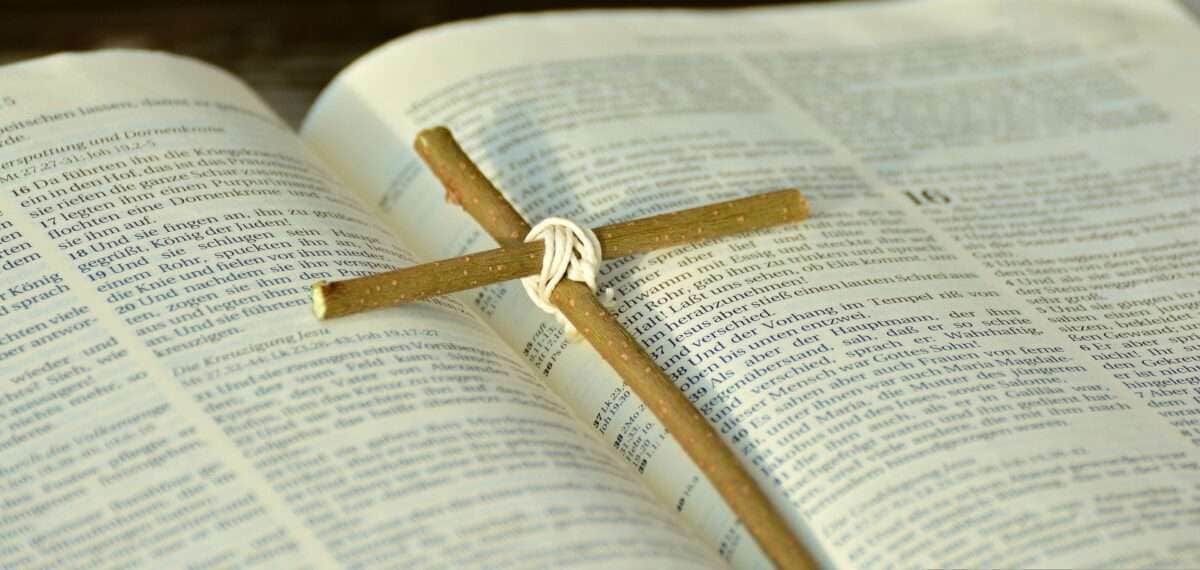
Isaiah 47:13–14 speaks to people who were trusting astrologers and stargazers. The point is not subtle: those people could not save anyone from coming judgment. In plain language, the message is this: astrology cannot rescue, protect, or truly prepare a person for what matters most.
Jeremiah 10:2 tells God’s people not to fear signs in the heavens like the surrounding nations did. That matters because astrology often works through fear. People fear bad timing, bad signs, retrogrades, unlucky matches, and negative forecasts. The Bible teaches that believers should not live under that kind of fear.
Deuteronomy 18:10–12 places divination, omens, and occult-style guidance in a forbidden category. The larger point is that God’s people should not try to get secret spiritual knowledge through practices He has not authorized.
Taken together, these verses show a consistent biblical pattern: God rejects attempts to gain spiritual direction or future knowledge through practices outside His will.
What about the stars in Genesis and the star in Matthew?
This is where confusion often starts. Some people argue that because the Bible mentions stars, astrology must be acceptable. That does not follow.
In Genesis, God created the heavenly bodies for signs, seasons, days, and years. That refers to their place in creation and order. It does not mean people should use star positions to interpret personality, fate, or private guidance.
Others point to the star connected with the birth of Jesus. But that event does not endorse astrology. It describes a unique sign in redemptive history under God’s control. A special event in the biblical story is not a command for people to follow astrology as a life system.
So the Bible can speak positively about stars as part of creation while rejecting astrology as a spiritual method.
Is reading horoscopes “just for fun” still a problem?
Many people say they do not fully believe in astrology. They read it casually, share memes, or check compatibility posts for fun. In fact, Pew found that most people who engage with astrology, tarot, or fortune telling say they do it mostly for fun rather than for serious insight. Still, the line between entertainment and dependence can become blurry.
A habit that begins as light content can slowly shape how a person thinks:
- “Maybe this explains my personality.”
- “Maybe this is why my relationship failed.”
- “Maybe I should not make this move during this period.”
- “Maybe my sign determines my weakness.”
That shift matters. Once astrology starts influencing thought patterns, emotional reactions, or decisions, it is no longer harmless content. The Bible calls people to test what influences their mind, trust, and worship.
Can a Christian believe in astrology?
A person can call themselves a Christian and still be curious about astrology, but biblically those two systems do not fit together well. Christianity teaches that God is sovereign, personal, wise, and trustworthy. Astrology teaches that impersonal cosmic arrangements can explain life and guide choices. Those two views pull in different directions.
This is why many pastors, theologians, and Christian counselors warn against trying to mix faith in Christ with zodiac-based guidance. The deeper concern is not whether someone has seen horoscope content. The concern is whether they are giving astrology a role in their identity, trust, or decision-making.
For Christians, the better questions are:
- Am I looking to God first?
- Am I letting astrology shape how I think?
- Am I using zodiac ideas to excuse sin, avoid responsibility, or explain everything?
- Am I replacing prayer, wisdom, and Scripture with predictions?
Why do people turn to astrology in the first place?
People usually do not start with rebellion. They start with need. They feel lost, anxious, disappointed, rejected, or emotionally overwhelmed. Astrology offers quick language, quick patterns, and quick reassurance. It can make life feel more organized when life feels messy.
Common reasons people get drawn into astrology include:
- relationship confusion,
- fear about the future,
- stress and emotional fatigue,
- identity questions,
- desire for control,
- social pressure from online trends and friends.
That does not make people foolish. It makes them human. But the Bible’s answer is that human need should drive people toward God’s truth, not toward systems that claim insight without offering real spiritual safety.

Does the Bible say astrology is the same as idolatry or divination?
The Bible does not always use one single label for every practice, but astrology can overlap with divination when it is used to discover hidden knowledge, predict the future, or gain direction apart from God. It can also move toward idolatry when a person trusts created things more than the Creator.
That is why this issue should not be reduced to a joke. In practice, astrology can become:
- a form of spiritual dependence,
- a replacement for prayer and wisdom,
- a way of outsourcing responsibility to signs and charts,
- a false source of hope and certainty.
From a biblical standpoint, that is serious because it affects worship, trust, and obedience.
How should a Christian respond to astrology?
A wise response should be both truthful and calm. Not every conversation about astrology needs to become a fight. At the same time, the Bible does not leave room for treating it as spiritually neutral guidance.
A practical Christian response can include:
- Recognize the difference between creation and divination.
- Stop using astrology for direction, prediction, or identity.
- Examine your habits, including apps, accounts, videos, and horoscope content.
- Replace the habit with prayer, Scripture, wise counsel, and responsible decision-making.
- Deal honestly with fear, because fear often sits behind the habit.
For someone who has relied on astrology, the path forward is not panic. It is repentance, clarity, and a return to trusting God. The Bible’s message is not “live in fear because you read a horoscope once.” The message is “do not build your guidance system on something God has not given you.”
What is the difference between astrology and biblical wisdom?
This difference is important because both claim to help people understand life, but they work in very different ways.
- Astrology looks to star positions and zodiac frameworks.
- Biblical wisdom looks to God’s character, truth, moral instruction, and discernment.
Astrology often asks, “What do the stars say about me?” Biblical faith asks, “What does God say is true, wise, and right?” Astrology often promises hidden insight. Biblical wisdom forms character, judgment, patience, humility, and trust.
One offers patterns people may want to hear. The other calls people to truth, whether convenient or not.
So, what does the Bible say about astrology in one clear answer?
If the question is what does the Bible say about astrology, the clearest answer is this: the Bible does not present astrology as a valid way to understand identity, make decisions, or know the future. It treats practices tied to divination, omens, and star-based prediction as spiritually unsafe and contrary to trusting God.
The Bible affirms that God made the heavens. It does not teach that the heavens should govern your choices. It points people away from horoscopes, omens, and hidden spiritual systems and toward God’s wisdom, truth, and care.
For someone struggling with uncertainty, that matters. Astrology may offer fast answers, but the Bible calls people to a deeper foundation: not fear, not signs, not charts, but trust in God.

I am an author and content editor for informational websites, writing about media, social trends, and everyday topics that people search for online. I hold a Bachelor’s degree in Communications from the University of Michigan, where I studied media studies and digital journalism.



Leave a Reply