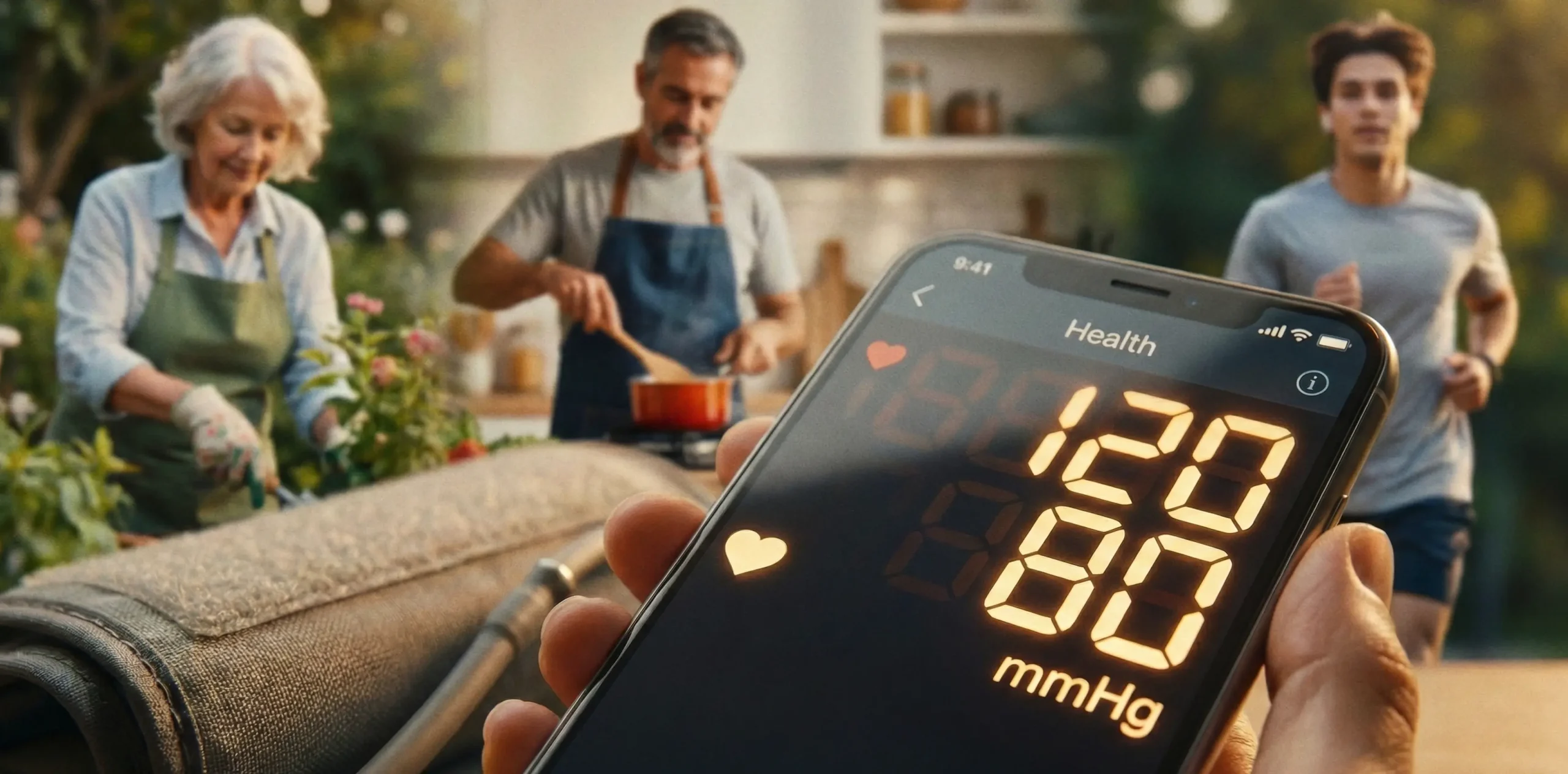
Blood pressure is one of the most important indicators of overall health. It shows how strongly blood pushes against the walls of arteries. Many people face high blood pressure or low blood pressure without noticing symptoms, which makes regular monitoring essential.
According to global health data, over 1.2 billion adults worldwide live with elevated blood pressure, and a significant part of them are unaware of the problem. Understanding normal blood pressure by age helps detect risks early and prevent serious complications such as heart disease, stroke, and kidney damage.
What Blood Pressure Numbers Mean
Blood pressure is measured using two values:
- Systolic pressure – the top number, showing pressure when the heart beats
- Diastolic pressure – the bottom number, showing pressure when the heart rests
A typical reading looks like 120/80 mmHg. Problems start when these values consistently go higher or lower than recommended levels.
Normal Blood Pressure by Age
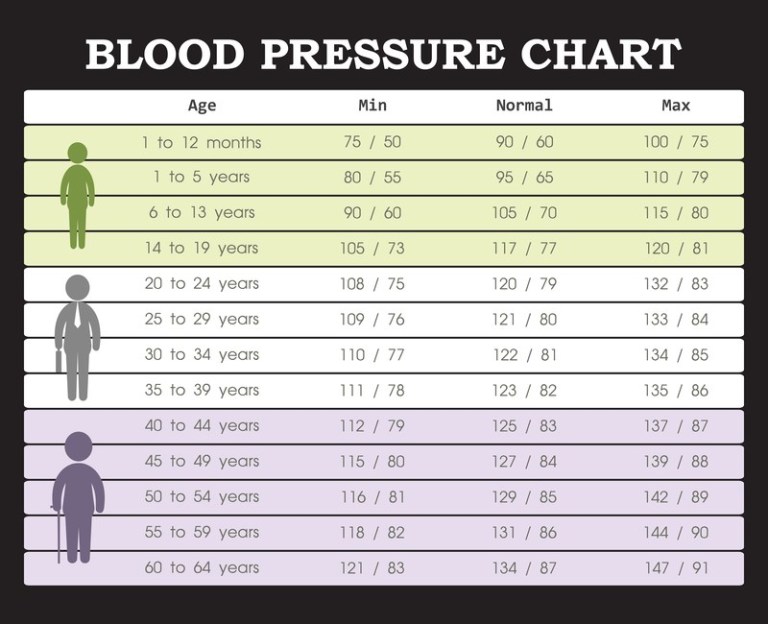
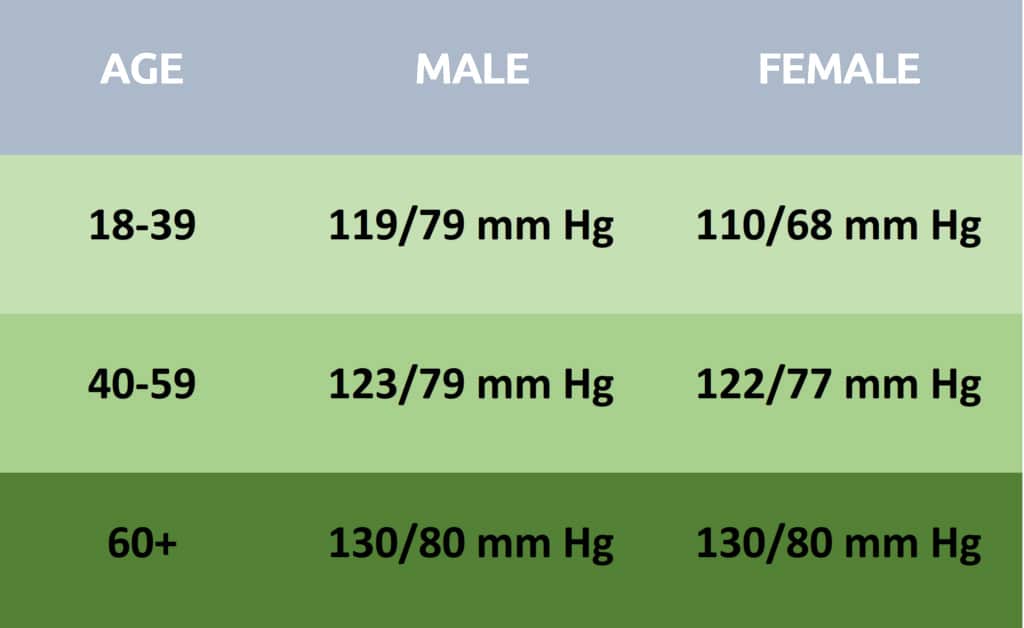
Blood pressure naturally changes with age due to vascular changes, lifestyle, and metabolism. Below are general reference ranges used in clinical practice:
- Children (6–12 years): 90–110 / 55–75 mmHg
- Teenagers (13–18 years): 100–120 / 60–80 mmHg
- Adults (18–39 years): 110–120 / 70–80 mmHg
- Adults (40–59 years): 110–130 / 70–85 mmHg
- Adults (60+ years): 120–140 / 70–90 mmHg
It is important to understand that these are not strict limits. Doctors focus more on overall risk factors than age alone.
When Blood Pressure Becomes a Problem
Many people ignore early signs until complications appear. The most common situations include:
- Persistent readings above 130/80 mmHg – indicates hypertension
- Readings below 90/60 mmHg – may indicate hypotension
- Sudden spikes – often linked to stress or cardiovascular issues
Typical problems people face:
- Headaches and pressure in the temples
- Dizziness or feeling faint
- Fatigue without clear reason
- Blurred vision
- Shortness of breath
Many cases of high blood pressure develop silently, which is why it is often called a “silent killer.”
Why Blood Pressure Increases with Age
Several physiological changes explain why older adults tend to have higher readings:
- Loss of arterial elasticity – arteries become stiffer
- Accumulation of plaque – narrowing of blood vessels
- Hormonal changes – affecting fluid balance
- Reduced physical activity
- Long-term stress exposure
Studies show that after age 50, the risk of hypertension increases significantly, especially in people with poor diet and low activity levels.
How to Measure Blood Pressure Correctly
Incorrect measurement is a common issue that leads to confusion and unnecessary stress. To get accurate results:
- Rest for at least 5 minutes before measuring
- Sit with your back supported and feet flat on the floor
- Keep the arm at heart level
- Avoid caffeine or smoking 30 minutes before measurement
Home monitoring is widely recommended, especially for people with unstable blood pressure.
How to Maintain Healthy Blood Pressure
Preventing problems is easier than treating complications. Evidence-based strategies include:
- Reducing salt intake – less than 5g per day
- Regular physical activity – at least 150 minutes per week
- Maintaining healthy weight
- Limiting alcohol
- Managing stress
Research shows that lifestyle changes alone can reduce systolic pressure by 5–10 mmHg, which significantly lowers cardiovascular risk.
When to See a Doctor
Medical evaluation is necessary if you notice:
- Consistently high readings
- Sharp increases or drops
- Symptoms affecting daily life
- Family history of heart disease
Early diagnosis helps prevent complications like heart attack and stroke, which remain leading causes of death globally.
Normal blood pressure by age is a helpful guideline, but individual health matters more. Regular monitoring and healthy habits remain the most reliable way to stay protected.

I am an author and content editor for informational websites, writing about media, social trends, and everyday topics that people search for online. I hold a Bachelor’s degree in Communications from the University of Michigan, where I studied media studies and digital journalism.











Leave a Reply