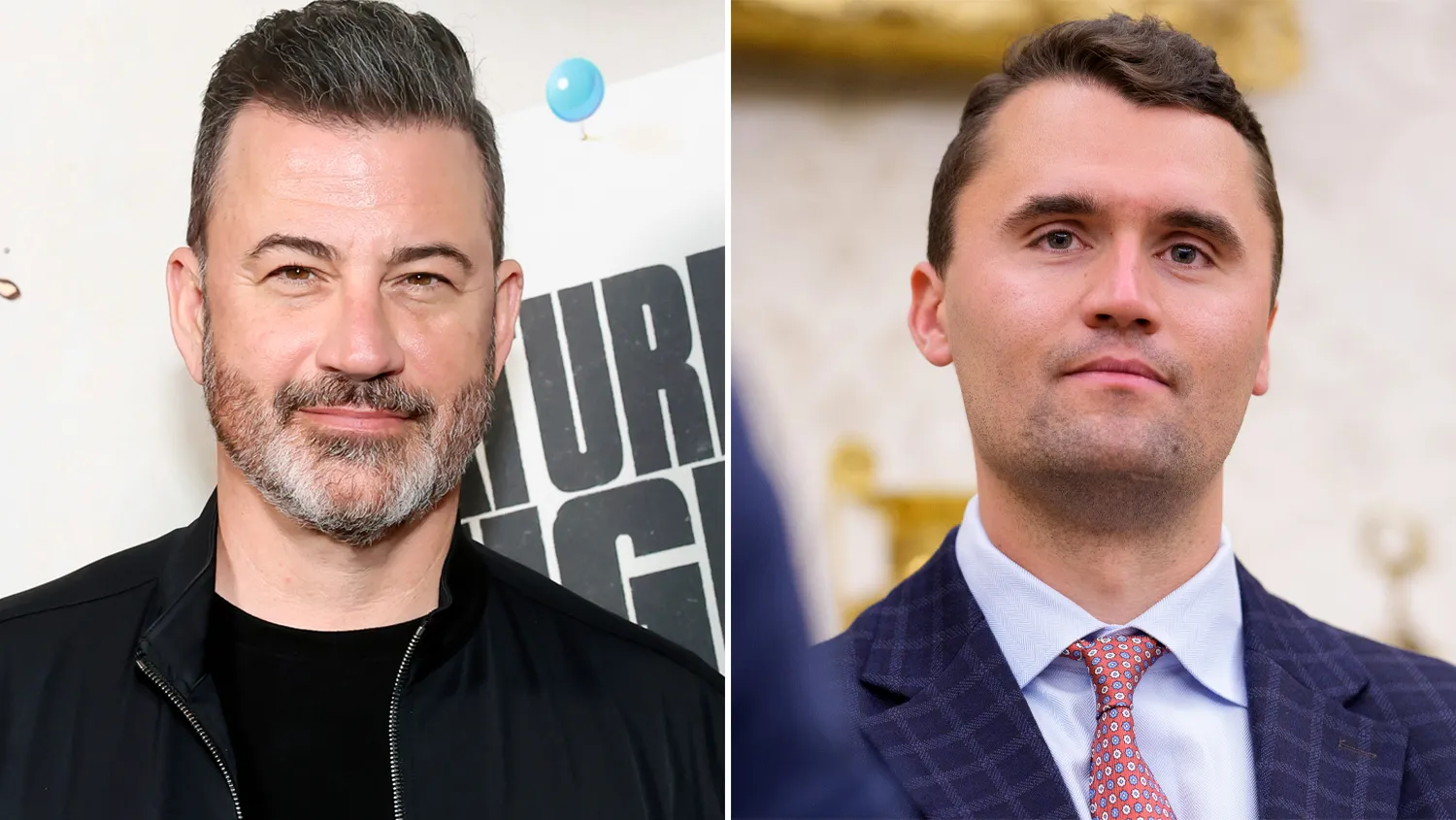
Late-night television often mixes entertainment with commentary on politics and media culture. One example that gained attention involved talk show host Jimmy Kimmel and conservative activist Charlie Kirk. Their exchange became widely discussed online, especially across social media platforms where clips from late-night shows regularly spread beyond traditional TV audiences. Many viewers wanted to understand what exactly Kimmel said about Kirk and why the moment created so much discussion.
The interaction highlights how political commentary, humor, and public personalities intersect in modern media. Late-night programs such as Jimmy Kimmel Live! reach millions of viewers each week. According to Nielsen television data, major U.S. late-night shows together attract several million nightly viewers and generate tens of millions of views through YouTube and social media clips. Because of this reach, comments made by hosts about public figures often become part of broader political conversations.
Who Jimmy Kimmel and Charlie Kirk Are
Understanding the context requires knowing who these two public figures are and why their opinions frequently appear in political discussions.
- Jimmy Kimmel is a television host and comedian best known for hosting the ABC show Jimmy Kimmel Live!, which has aired since 2003.
- Charlie Kirk is a conservative political commentator and founder of the organization Turning Point USA, which focuses on student activism on college campuses.
- Kirk has built a large online following, with millions of followers across platforms such as X (formerly Twitter), YouTube, and Instagram.
- Kimmel’s show regularly includes monologues about current events, politics, and viral internet moments.
Because both figures operate in highly visible media environments, disagreements between them often gain attention quickly. Kimmel typically approaches political subjects through satire and humor, while Kirk is known for direct commentary on conservative policy and cultural issues.
What Jimmy Kimmel Said About Charlie Kirk
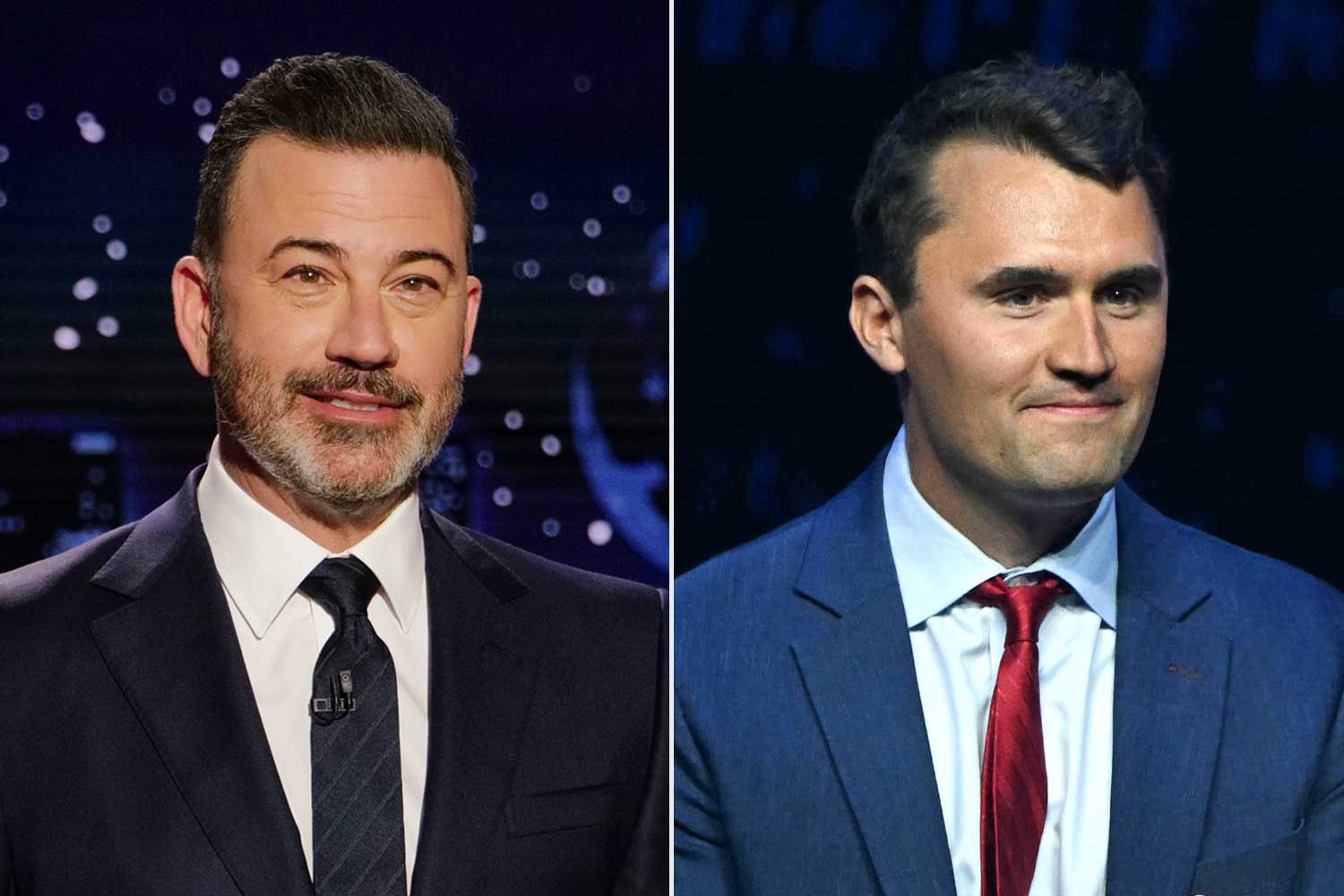
The discussion most people refer to comes from segments where Kimmel mentioned Kirk during his opening monologue. These monologues are a standard part of late-night television, where hosts talk about news stories, viral clips, and political commentary.
Kimmel criticized Kirk while discussing political activism and statements Kirk had made online. The tone of Kimmel’s remarks followed the typical style of late-night comedy: sarcasm mixed with commentary. Rather than presenting a formal political argument, Kimmel framed his criticism through jokes aimed at Kirk’s public statements and positions.
In his commentary, Kimmel suggested that some of Kirk’s claims or public remarks were exaggerated or misleading. He used humor to question Kirk’s arguments and portray them as examples of political rhetoric that he disagreed with. This kind of critique is common in late-night comedy, where hosts often target politicians, commentators, or media personalities from across the political spectrum.
The segment circulated widely online. Clips from late-night shows often gain traction on social media platforms, where short excerpts can generate millions of views within hours. In many cases, these viral clips reach far larger audiences than the original TV broadcast.
Why the Comments Became Viral
Several factors explain why the exchange between Kimmel and Kirk gained attention so quickly.
- Political polarization in the United States makes commentary about public figures more likely to spread rapidly online.
- Social media algorithms amplify short video clips that generate strong reactions.
- Late-night monologues frequently trend because they combine humor with current events.
- Large audiences for both personalities increase the likelihood of online debates.
According to data from media analytics platforms, late-night show clips regularly reach millions of views within the first 24 hours after publication. YouTube channels for major late-night hosts often accumulate hundreds of millions of views each month. This distribution model means that even a short joke about a public figure can quickly become a widely shared political moment.
How Charlie Kirk Responded
Charlie Kirk has responded to criticism from media personalities many times in the past, and situations involving late-night comedians are no exception. In several instances he addressed the remarks through social media posts or interviews.
Public figures often respond to criticism in different ways:
- Posting rebuttals or explanations on social media platforms.
- Discussing the issue in podcasts or interviews.
- Using the moment to reinforce their political arguments.
- Engaging directly with critics or ignoring the remarks entirely.
Kirk frequently uses platforms such as X and YouTube to respond to commentary about him. With millions of followers across these networks, his responses can reach large audiences quickly. Political commentators often use these platforms to clarify their positions or criticize media coverage.
The Role of Late-Night Comedy in Political Discussion
The situation illustrates a larger trend in modern media: comedy programs increasingly influence political conversation. Studies by the Pew Research Center have found that a significant share of younger audiences receive news from satirical programs and late-night monologues.
These shows combine several elements:
- Humor and satire about political events
- Commentary on media coverage
- Interviews with public figures
- Viral video segments designed for online sharing
For many viewers, late-night television serves as both entertainment and a simplified explanation of complex political stories. Critics argue that satire can oversimplify serious issues, while supporters say it helps audiences engage with current events in an accessible way.
Conflicts between comedians and political commentators are therefore not unusual. Throughout television history, hosts have joked about presidents, journalists, activists, and political organizations. What has changed in recent years is the speed at which these moments travel online.
Public Reactions and Online Debate
After Kimmel’s comments about Kirk circulated online, reactions appeared across social media platforms. Supporters of Kimmel praised the humor and criticism, while supporters of Kirk argued that the jokes misrepresented his views.
Online reactions often follow predictable patterns:
- Clips are shared widely across platforms like YouTube, TikTok, and X.
- Supporters of each side highlight different parts of the segment.
- Media outlets publish articles explaining the controversy.
- Commentators use the moment to discuss broader political issues.
This type of reaction reflects how media culture now works. Instead of a single television audience watching the same broadcast, millions of viewers encounter the moment later through short online clips. Each group interprets the event differently depending on their political views and media preferences.
The comments Jimmy Kimmel made about Charlie Kirk fit into a long tradition of political humor in late-night television. Kimmel criticized Kirk’s public statements using satire and comedic commentary, a style that has been central to late-night monologues for decades. Because both personalities have large audiences and strong online followings, the segment quickly spread across social media.
Situations like this show how modern media blends politics, entertainment, and online discussion. A single joke during a late-night monologue can reach millions of viewers, spark debate across social networks, and become part of a larger conversation about political messaging and media influence. As long as political issues remain a central topic in entertainment programs, moments like this will continue to appear. Comedians will comment on public figures, commentators will respond, and audiences will interpret the exchange through their own perspectives.

I am an author and content editor for informational websites, writing about media, social trends, and everyday topics that people search for online. I hold a Bachelor’s degree in Communications from the University of Michigan, where I studied media studies and digital journalism.









Leave a Reply