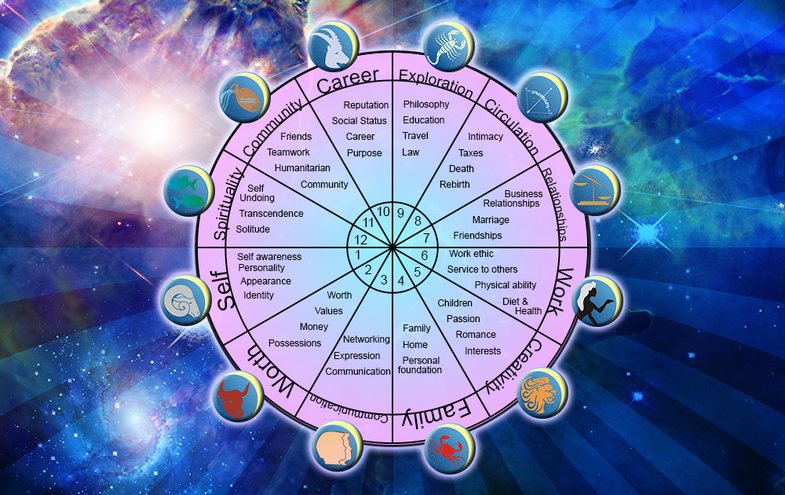
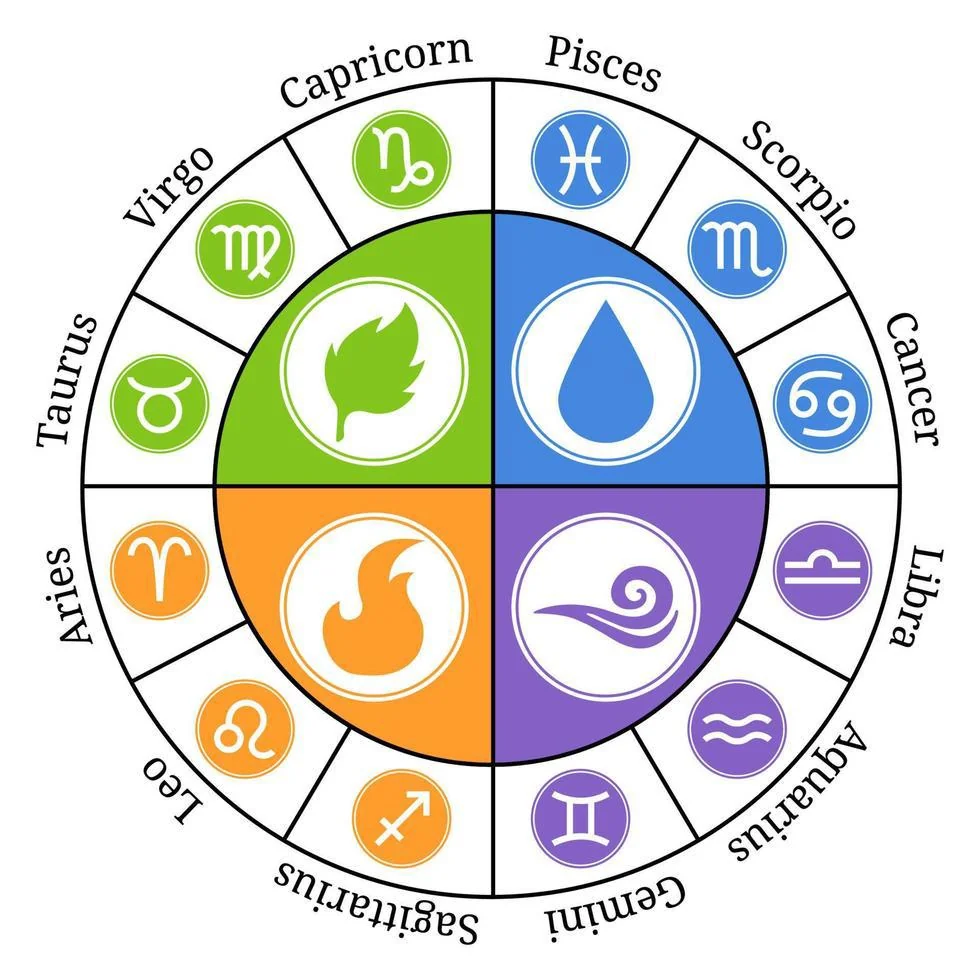
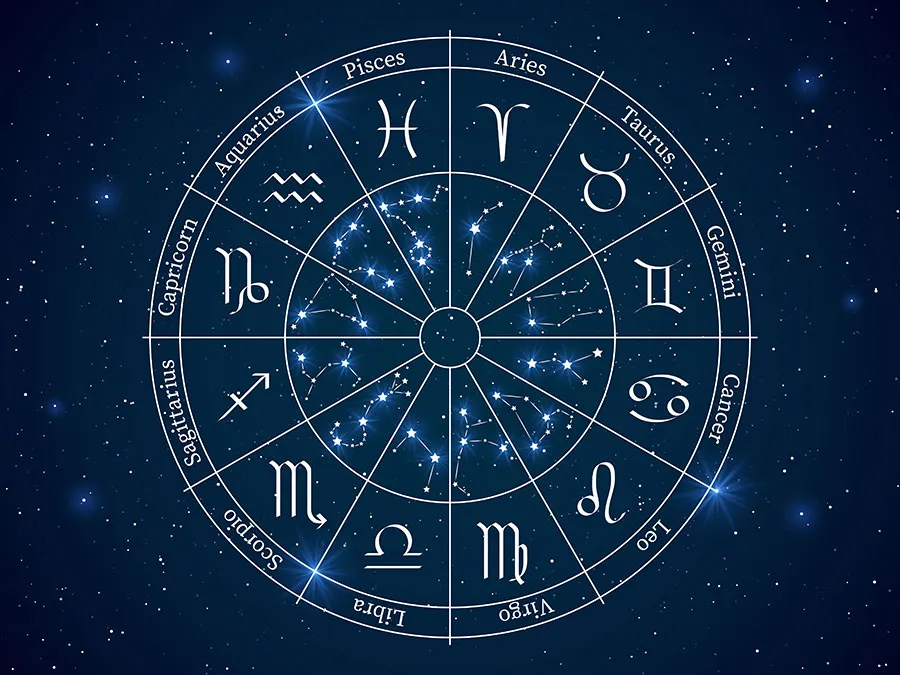
Astrology divides the sky into twelve sectors known as houses. Each of these houses represents a different area of human life. While zodiac signs describe personality traits and planets represent energies or drives, houses show where those energies play out in everyday reality. Professional astrologers rely on the system of houses to interpret birth charts and understand how events and personal tendencies unfold throughout life.
According to surveys from astrology platforms such as Astro.com and Cafe Astrology, more than 70% of professional astrologers consider house placement one of the most important factors when analyzing a natal chart. A planet in a specific house can strongly influence how its energy manifests. For example, Mars in the First House can indicate assertiveness and strong physical energy, while Mars in the Seventh House may point to conflict or passion within relationships.
Understanding the twelve astrology houses helps people make sense of patterns in career, relationships, finances, and personal growth. Many individuals turn to house interpretations when they face uncertainty about life direction, recurring relationship challenges, or professional decisions.
How the System of Astrology Houses Works
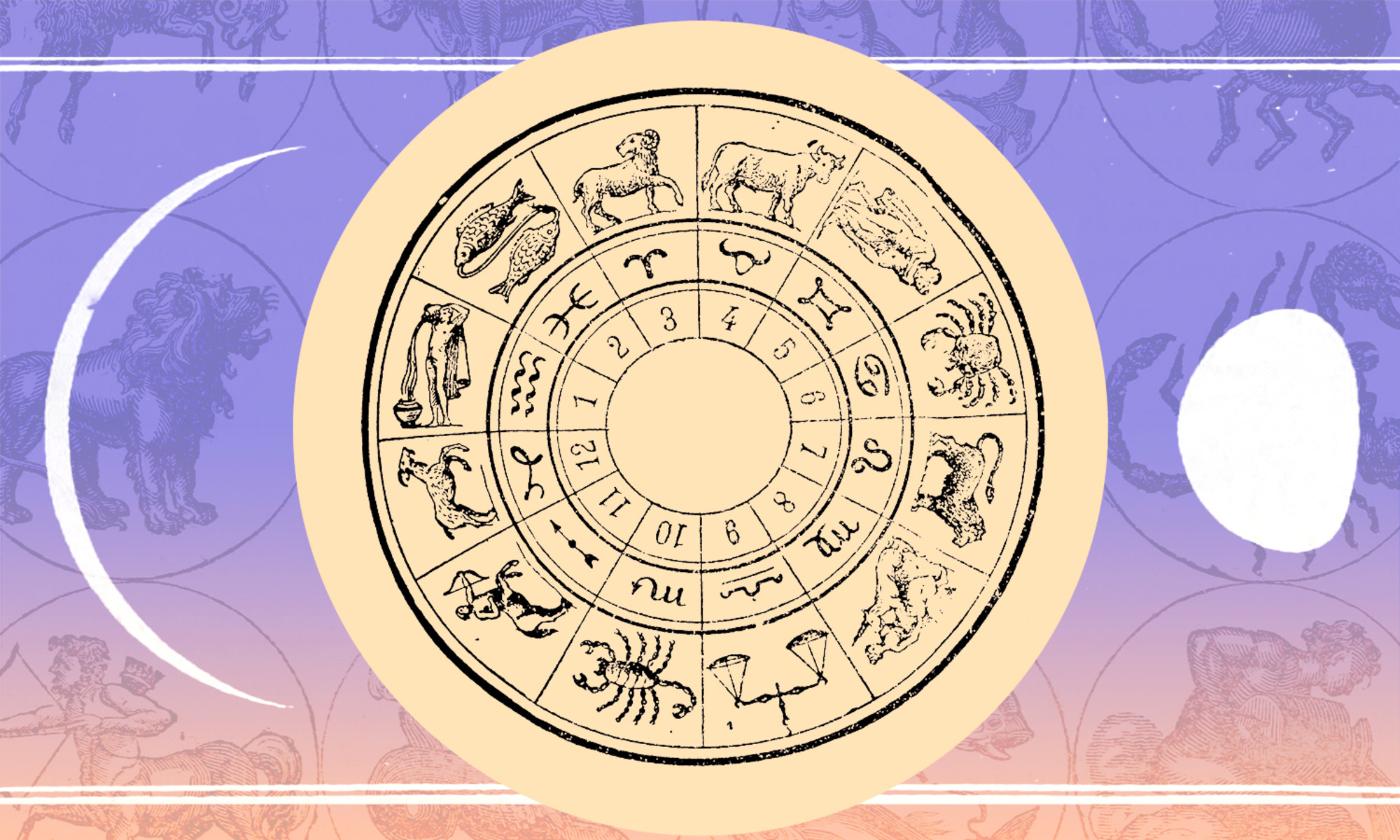
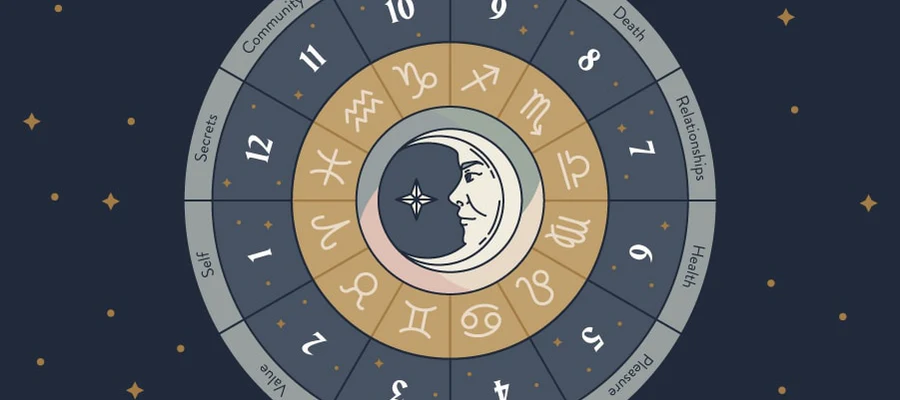
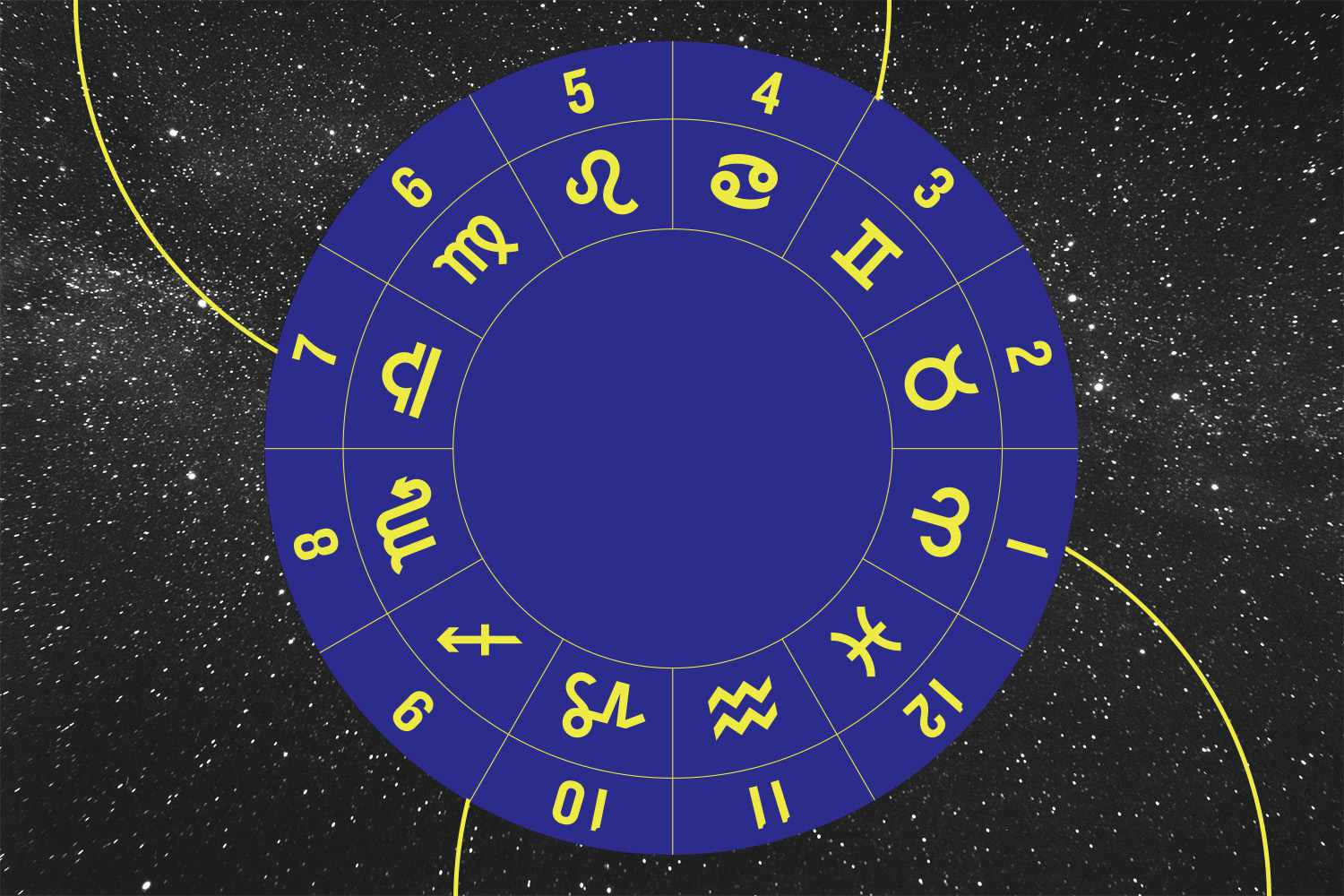
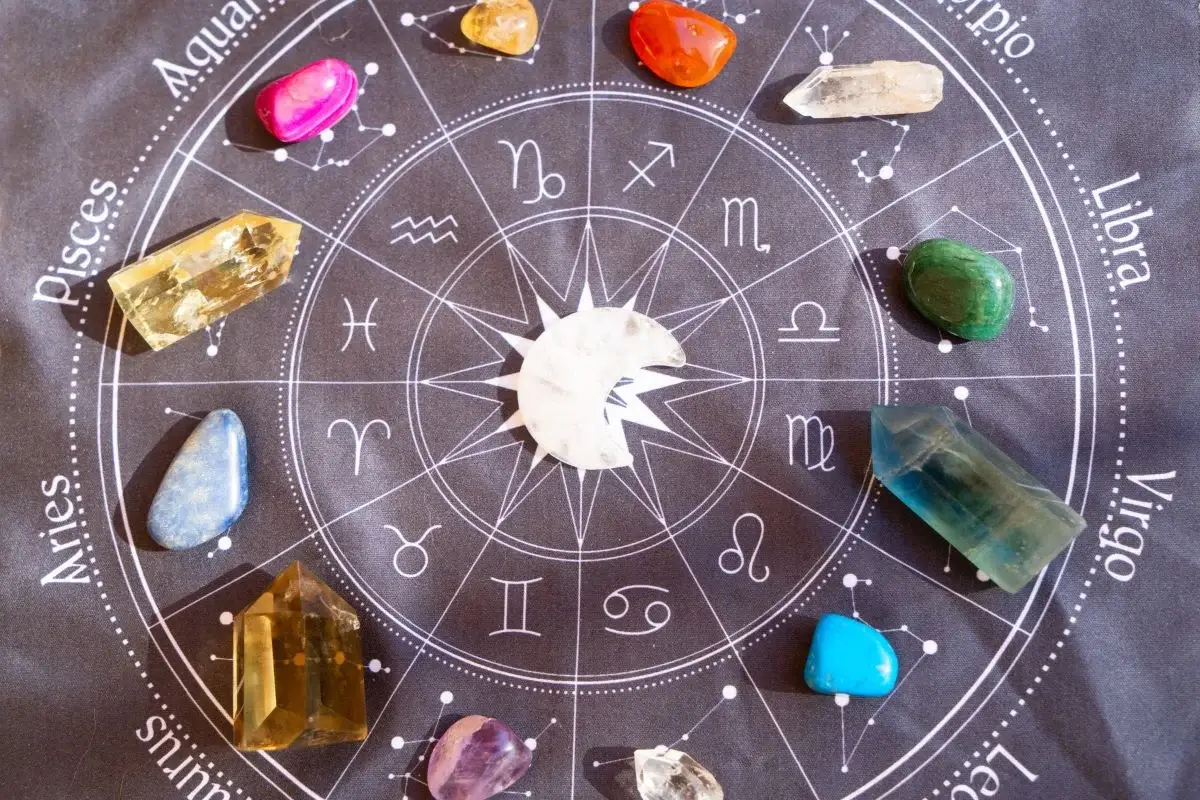
The zodiac circle contains 360 degrees. Astrologers divide this circle into twelve equal segments, each covering 30 degrees. These segments are the houses. The position of the Ascendant — the zodiac sign rising on the eastern horizon at the moment of birth — determines the starting point of the First House.
Each house corresponds to specific life themes. When a planet appears in a house, it activates that area of life. For example, Venus in the Fifth House may indicate creativity, romance, and artistic expression, while Saturn in the Tenth House often reflects discipline and responsibility in career matters.
- The zodiac signs show personality style
- The planets show energy and motivation
- The houses show the life areas where events unfold
This combination forms the foundation of natal chart interpretation. Without understanding houses, astrology readings often remain incomplete because they lack context about where life experiences are likely to occur.
The First House – Identity and Physical Presence
The First House represents personal identity, physical appearance, and the way a person approaches the world. It begins at the Ascendant and is often described as the “house of self.”
People with strong planetary placements in the First House usually have noticeable personalities. They often appear confident, energetic, and independent. This house also relates to health, vitality, and first impressions.
- Physical appearance and body language
- Self-image and identity
- Initial reactions to situations
- Personal initiative
Individuals who struggle with self-confidence often show challenging aspects affecting this house. Astrologers frequently examine First House placements when people want to understand why they feel misunderstood or struggle to express their true personality.
The Second House – Money and Personal Values
The Second House focuses on financial stability, material possessions, and personal values. It describes how a person earns money, what they consider valuable, and how they approach security.
- Income sources
- Financial habits
- Material possessions
- Self-worth and confidence
Economic concerns are one of the most common reasons people consult astrologers. Studies in financial psychology show that more than 60% of adults experience stress related to money. Astrology often connects these concerns to Second House activity, especially when Saturn, Pluto, or Uranus influence the house.
The Third House – Communication and Learning
The Third House governs communication, thinking patterns, and everyday interactions. It also relates to siblings, neighbors, and short-distance travel.
Strong placements here often indicate individuals who enjoy writing, teaching, speaking, or media work. In modern society, this house also reflects digital communication such as social media and online platforms.
- Speaking and writing skills
- Learning style
- Relationships with siblings
- Local travel and mobility
When people struggle with communication in relationships or professional environments, astrologers often examine this house to understand the underlying patterns.
The Fourth House – Home and Emotional Foundations
The Fourth House represents home life, emotional security, and family roots. It is associated with childhood experiences, living conditions, and the psychological foundation formed early in life.
This house often becomes important when people move homes, build families, or revisit childhood memories. Research in psychology suggests that early family environments strongly influence emotional stability in adulthood, which aligns with the symbolism of this house.
The Fifth House – Creativity and Personal Joy
The Fifth House governs creativity, hobbies, romance, and personal expression. It reflects activities that bring joy and excitement.
- Romantic relationships
- Creative talents
- Entertainment and hobbies
- Children and parenting
People with active Fifth House placements often pursue artistic careers, sports, or performance-related activities. Many also experience strong emotional connections through romantic relationships.
The Sixth House – Work and Health
The Sixth House focuses on daily routines, work responsibilities, and health habits. It reflects how individuals organize their schedules and maintain physical well-being.
Health-related questions are among the most frequent topics in astrology consultations. According to global health reports, nearly 45% of adults experience stress-related health issues. Astrologers analyze the Sixth House to identify patterns affecting lifestyle and productivity.
The Seventh House – Partnerships and Marriage
The Seventh House describes long-term relationships, partnerships, and marriage. It reveals how people connect with others and what qualities they seek in partners.
- Marriage and committed relationships
- Business partnerships
- Negotiations and agreements
- Conflict resolution
Challenges in relationships often appear through difficult planetary aspects in this house. Astrologers frequently study this area when clients seek clarity about love, compatibility, or marriage timing.
The Eighth House – Transformation and Shared Resources
The Eighth House deals with deep transformation, shared finances, and psychological change. It is often associated with inheritance, investments, and emotional intensity.
This house also relates to major life transitions that reshape a person’s outlook. These may include financial partnerships, emotional healing, or confronting personal fears.
The Ninth House – Higher Knowledge and Exploration
The Ninth House represents education, philosophy, and travel. It reflects the desire to understand the world beyond everyday experience.
- Higher education and universities
- International travel
- Religion and philosophy
- Legal matters
People with strong Ninth House placements often pursue academic careers, international work, or cultural exploration.
The Tenth House – Career and Public Reputation
The Tenth House is one of the most important houses in astrology. It represents career, reputation, and long-term achievements.
Studies in labor economics show that professional identity plays a major role in life satisfaction. Astrology reflects this idea through the Tenth House, which reveals how individuals seek recognition and success.
- Professional achievements
- Public reputation
- Authority and leadership
- Long-term ambitions
Many career-focused readings begin with analysis of this house and its ruling planet.
The Eleventh House – Community and Future Goals
The Eleventh House focuses on friendships, networks, and long-term aspirations. It reflects collective activities and shared visions for the future.
Modern astrologers often associate this house with social movements, technology communities, and collaborative innovation.
The Twelfth House – Inner World and Spiritual Growth
The Twelfth House represents the subconscious mind, spiritual reflection, and hidden influences. It is connected with dreams, intuition, and emotional healing.
- Spiritual development
- Psychological reflection
- Hidden fears
- Isolation and retreat
Many people explore this house when dealing with emotional burnout, anxiety, or a search for deeper meaning in life.
The twelve astrology houses form the structural framework of every birth chart. Each house represents a specific dimension of life, from identity and finances to relationships, career, and spiritual growth. When combined with planetary placements and zodiac signs, the houses create a detailed map of personal experiences and life themes.
Understanding these houses allows astrologers to interpret patterns that people often notice but struggle to explain — recurring relationship dynamics, career turning points, financial cycles, or personal transformations. By examining how planetary energies interact with these twelve areas, astrology offers a structured way to explore life challenges and opportunities.

I am an author and content editor for informational websites, writing about media, social trends, and everyday topics that people search for online. I hold a Bachelor’s degree in Communications from the University of Michigan, where I studied media studies and digital journalism.


Leave a Reply