SpaceX is one of the most valuable private companies in the world and a key player in the global space industry. Its valuation attracts strong attention from investors, analysts, and businesses trying to understand where the aerospace market is heading.
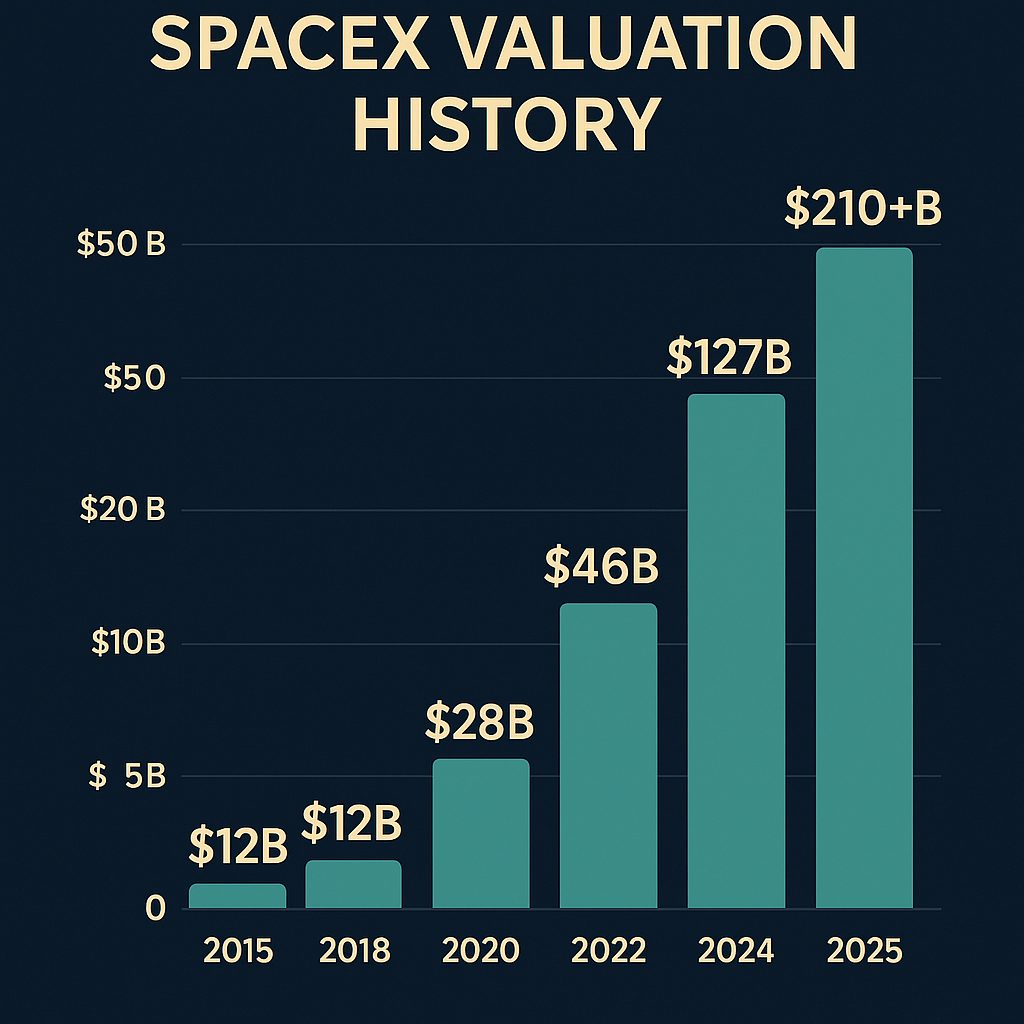
What is the latest valuation of SpaceX
The latest available data shows that SpaceX valuation is estimated at $180–$200 billion. This range is based on private share sales and funding rounds involving institutional investors.
Since SpaceX is not publicly traded, its valuation is not set by stock market activity. Instead, it is determined by:
- private funding rounds
- secondary share sales
- investor demand
- company performance
This creates a situation where many people struggle with lack of transparent pricing and limited access to accurate data, especially compared to public companies.
Key drivers behind SpaceX valuation
The high company valuation is not случайный — it is supported by strong business fundamentals and technology leadership.
- Starlink revenue growth — a major driver with millions of global users
- Falcon 9 reusability — reducing launch costs significantly
- Starship development — long-term potential for deep space missions
- government contracts — including partnerships with NASA and the U.S. Department of Defense
Among these, Starlink plays a critical role. It generates recurring revenue, which is often missing in traditional aerospace businesses.
Financial scale and operational statistics
To understand the real size of SpaceX, it is important to look at key numbers:
- 5,000+ satellites deployed in orbit
- millions of active Starlink subscribers
- 80+ launches per year (one of the highest rates globally)
- up to 70% cost reduction due to reusable rockets
These metrics highlight that SpaceX is no longer just an experimental company. It is a large-scale commercial operation with consistent growth.
Challenges and risks investors consider
Despite strong valuation, SpaceX faces real challenges that influence investor decisions:
- high capital expenditure for R&D and infrastructure
- technical risks related to rocket launches
- regulatory pressure in different countries
- market competition from emerging space companies
Many investors are concerned about uncertain profitability timelines for projects like Starship. Others face limited investment access, since shares are not available to retail investors.
Why SpaceX valuation keeps increasing
There are several clear reasons behind the continuous growth in SpaceX valuation:
- strong technological advantage over competitors
- vertical integration reducing operational costs
- scaling global internet infrastructure through Starlink
- long-term vision including Mars missions
Investors are not only valuing current performance, but also future market dominance in multiple industries.
Future outlook for SpaceX valuation
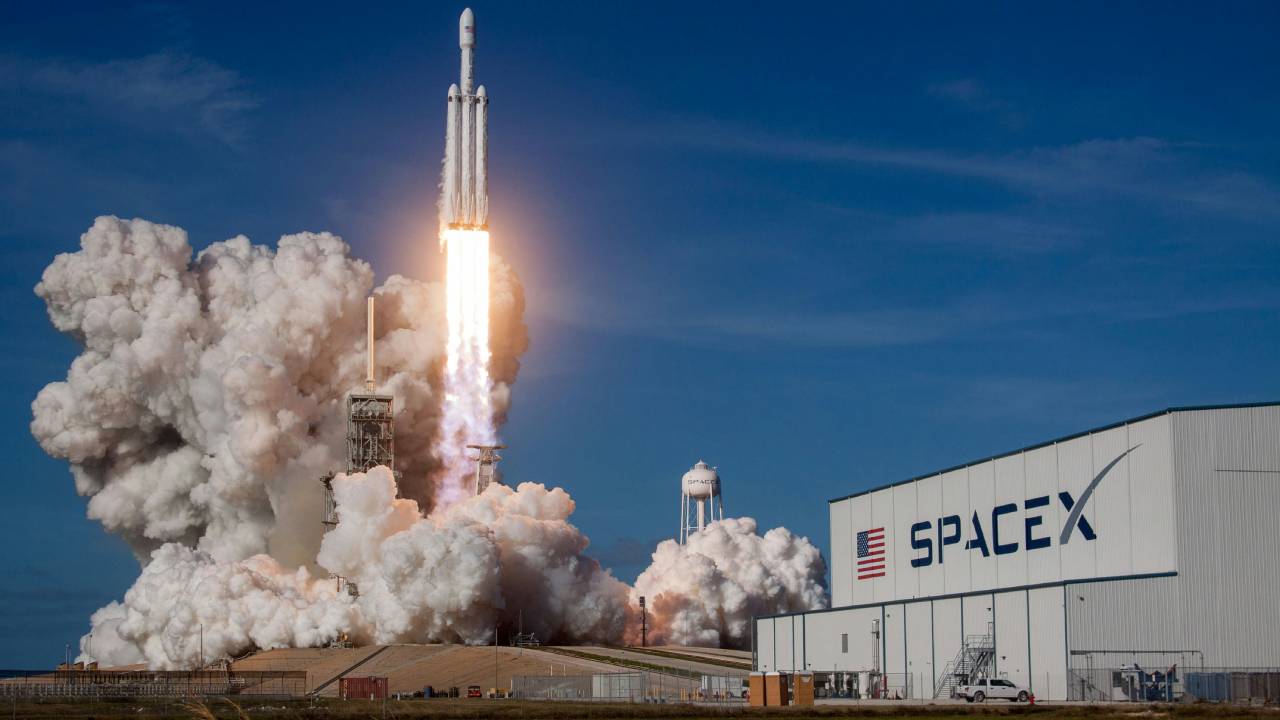
The future of SpaceX depends on execution. If key projects succeed, the company could reach significantly higher valuations.
Potential growth factors include:
- Starship commercialization
- continued expansion of Starlink
- new government and commercial contracts
At the same time, risks remain:
- delays in major programs
- economic downturns
- regulatory changes
Conclusion: SpaceX currently holds an estimated valuation of $180–$200 billion, making it one of the most valuable private companies globally. Its value is driven by real revenue streams, technological leadership, and long-term growth potential, but also influenced by risks typical for high-innovation industries.

I am an author and content editor for informational websites, writing about media, social trends, and everyday topics that people search for online. I hold a Bachelor’s degree in Communications from the University of Michigan, where I studied media studies and digital journalism.












Leave a Reply